
Orthopedic Trauma & Fracture Care in Austin, TX
Expert Follow-Up Care After Your Emergency Room Visit
In an emergency, call 911 or go to your nearest emergency room.
Orthopedic trauma needs emergency evaluation first. Once you have been treated and stabilized, our team is ready to take it from there.”
Your Next Step After Emergency Care
Orthopedic trauma is any severe injury to the musculoskeletal system, including bones, joints, muscles, and ligaments. A fall, a car accident, or a high-impact sports injury can change your plans in an instant.
If you have just experienced a traumatic injury, your first stop should always be the emergency room. Hospital trauma teams are equipped to evaluate and stabilize serious injuries. Our role begins once that emergency care is complete.
At Austin Orthopedic Institute, we specialize in what comes next: timely specialist follow-up, definitive fracture treatment, surgical planning when surgery is needed, and reconstruction for injuries that did not heal correctly.
Where Should You Go?
Go to the emergency room or call 911 if you experience:
- Visible deformity or misalignment of a limb
- An open wound near a suspected fracture, or bone visible through the skin
- Inability to bear weight after an injury
- Numbness, tingling, or color changes in a limb after an impact
- Intense pain that prevents movement of a joint
- A suspected dislocation
- Rapid, significant swelling and bruising after an injury
Call Austin Orthopedic Institute when:
- You have been treated at an ER or urgent care and need orthopedic follow-up
- You were told to “follow up with an orthopedic specialist” and want to be seen quickly
- You have a fracture in a cast or splint that needs ongoing management
- An old injury never healed correctly or still causes pain
- You developed joint pain or stiffness years after a previous injury
- You want a second opinion on a recommended trauma surgery
Conditions We Treat
After your injury has been evaluated and stabilized in an emergency setting, our surgeons provide ongoing treatment for:
Acute Fractures
Upper Extremity Fractures – Humeral, radius, ulna, and hand fractures.
Lower Extremity Fractures – Femur, tibia, fibula, and foot/ankle fractures.
Stress Fractures – Hairline cracks from repetitive high-impact activity.
Joint Dislocations
Shoulder & Elbow Dislocations – Post-reduction care, stability assessment, and repair of associated ligament injuries.
Hip & Knee Dislocations – Follow-up evaluation and reconstruction after emergency treatment.
Patellar Dislocation – Ligament assessment and treatment planning after the joint has been relocated.
Complex Trauma
Multi-fragmentary Fractures – Shattered bones requiring advanced fixation.
Open (Compound) Fractures – Bone breaking through the skin.
Post-Traumatic Arthritis
Degenerative Joint Disease – Chronic pain developing years after a joint injury.
Post-Traumatic Osteoarthritis – Common in weight-bearing joints like the knee and ankle.
Traumatic Shoulder/Elbow Arthritis – Stiffness following old fractures.
Non-Unions & Malunions
Non-Union – A fracture that has failed to heal after several months.
Malunion – A bone that has healed in an incorrect, crooked, or rotated position.
Soft Tissue Trauma
High-Grade Tendon Ruptures – Complete tears of the Achilles, Quadriceps, or Patellar tendons.
Muscle Tears – Severe strains requiring surgical or specialized conservative care.
Crush Injuries – Management of severe soft tissue compression.
Our Approach to Care
Fast Post-Emergency Follow-Up
Fracture care is time-sensitive. We coordinate closely with local emergency rooms and urgent care centers and prioritize appointments for recently treated injuries, often within 24 to 48 hours, so a specialist can review your imaging and confirm your treatment plan without delay.

Conservative Stabilization
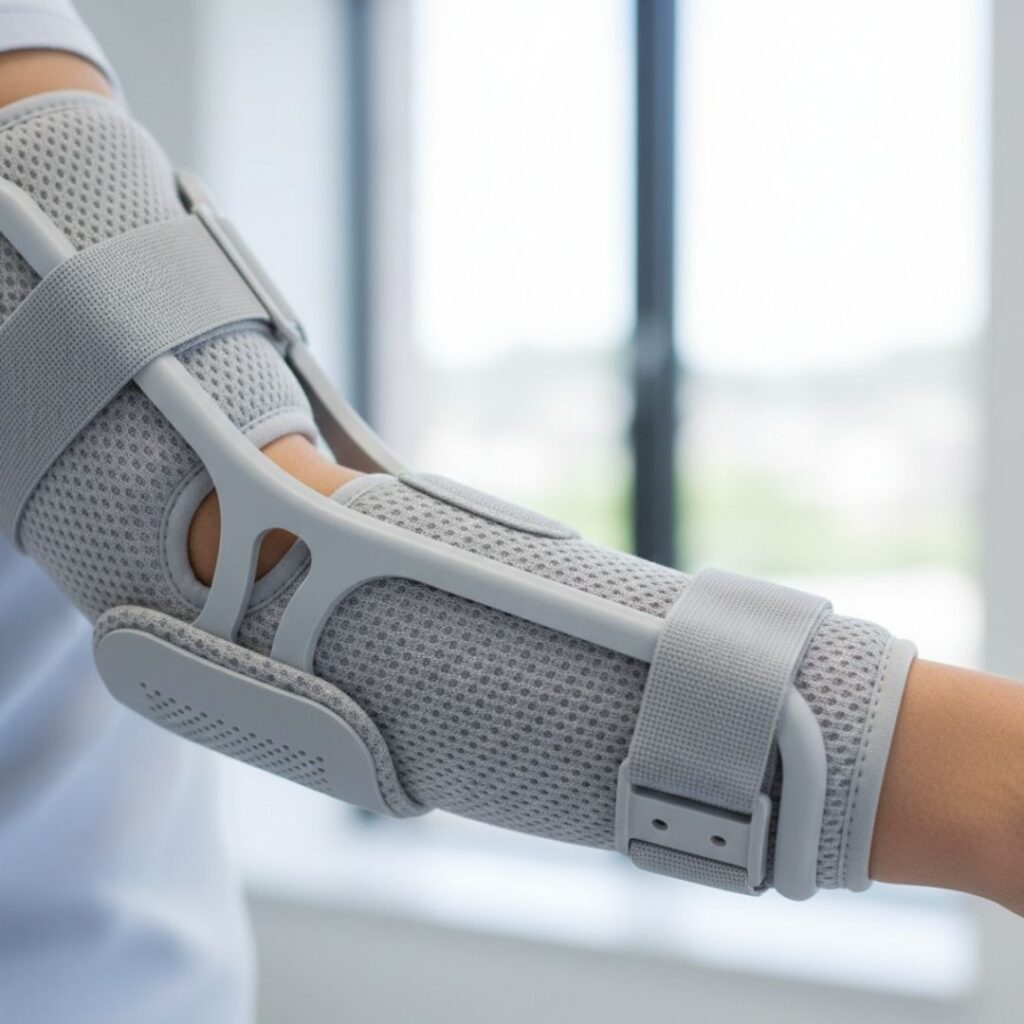
Not every fracture requires surgery. We use advanced casting, bracing, and custom splinting to support healing under expert supervision, with regular imaging to confirm the bone is mending as it should.
Advanced Surgical Fixation
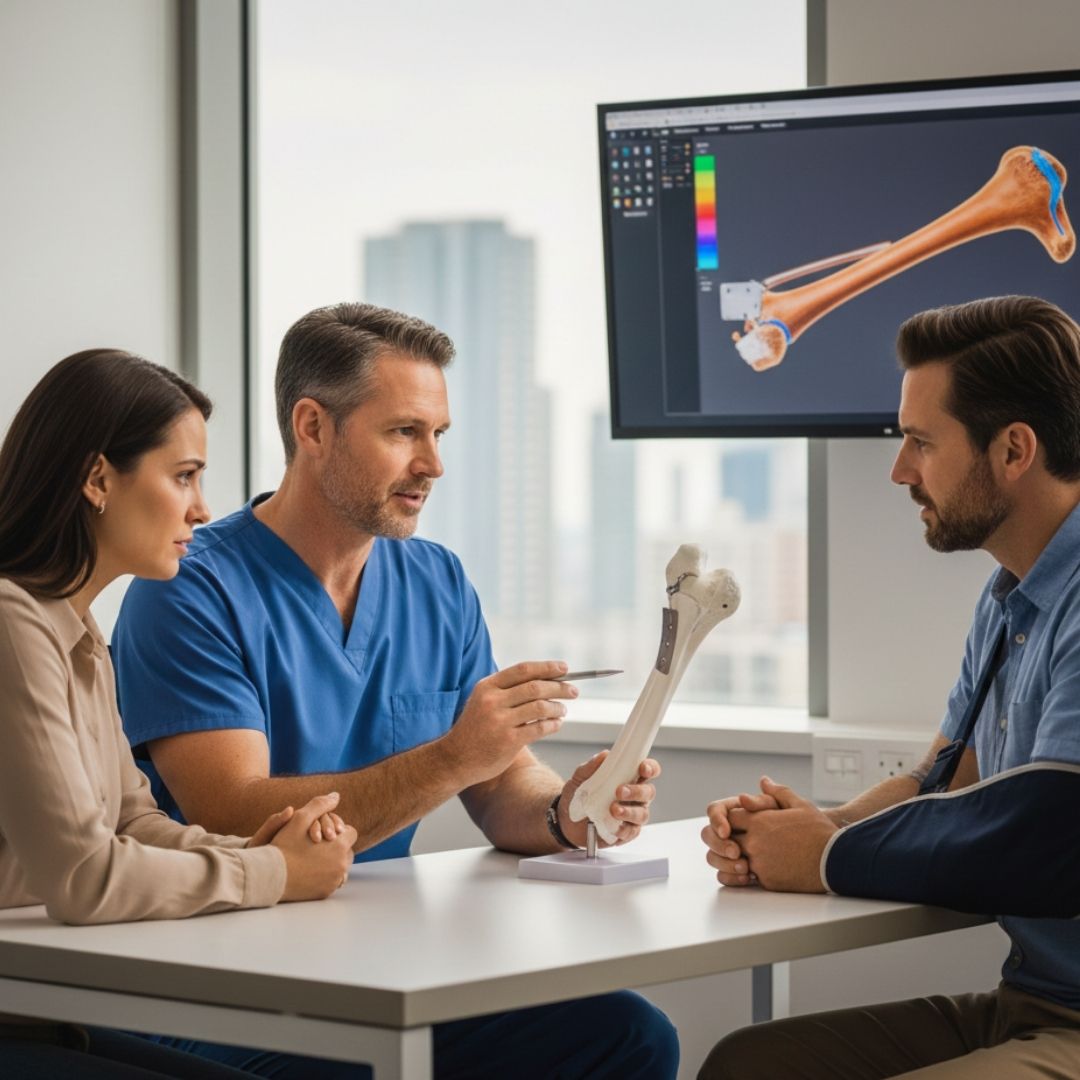
When surgery is needed, our fellowship-trained orthopedic surgeons use modern internal fixation techniques (ORIF) to restore anatomical alignment and support proper healing. Our team brings extensive experience in fracture care and post-traumatic reconstruction, utilizing specialized plates, screws, and intramedullary nails for optimal recovery.
Post-Traumatic Reconstruction
For injuries that did not heal correctly the first time, we offer elective reconstruction, including corrective osteotomies and joint replacement, to improve function and address chronic pain.

Meet Our Trauma Specialists
Our fellowship-trained orthopedic surgeons have extensive experience in fracture care and post-traumatic reconstruction, including the management of complex complications.

Specialized Procedures
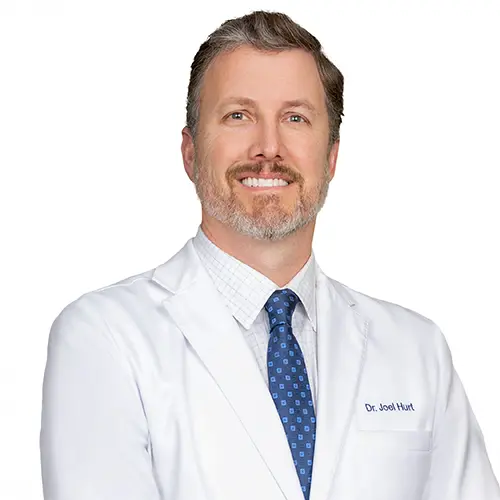
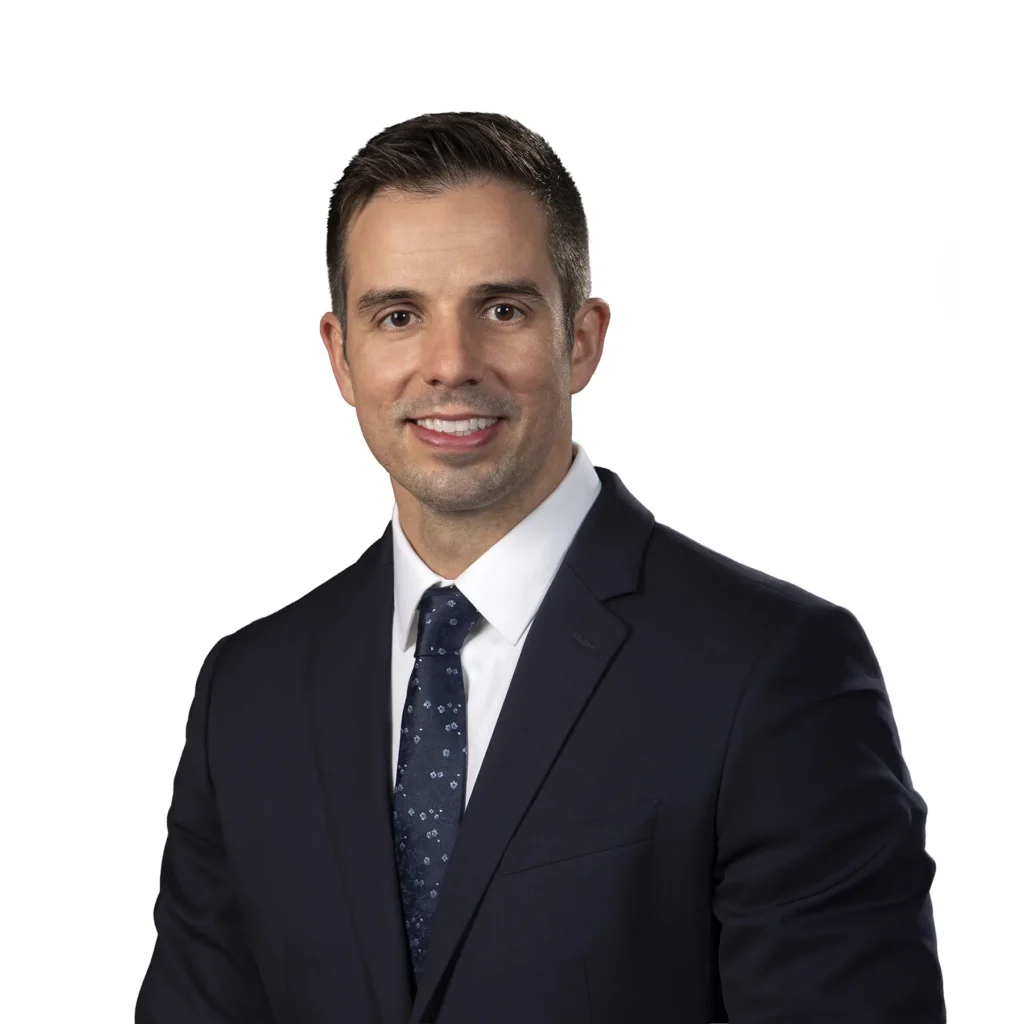
Dr. Joel Hurt, MD
- Robotic-Assisted Joint Trauma. Fellowship-trained. Specializes in managing post-traumatic arthritis using advanced robotic precision.
- Post-Traumatic Total Knee/Hip Replacement
- Complex Fracture Fixation
Dr. Brett Robin, MD
- Lower Extremity & Athletic Trauma. Fellowship-trained. Focuses on returning patients to high-level function after severe bone and joint injury.
- Tibia/Femur Fixation
- Shoulder Trauma
- ACL/Ligament Reconstruction
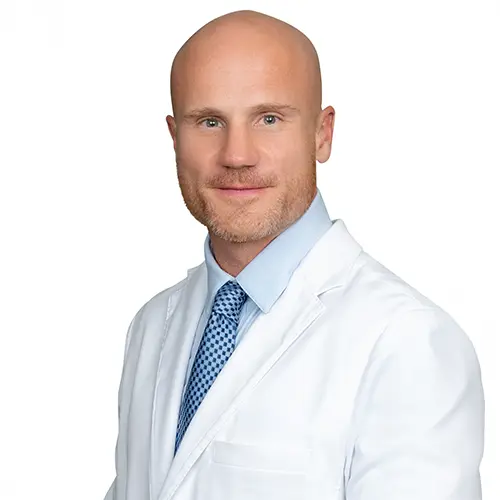
Dr. Tyler Goldberg, MD
- Complex Reconstruction. Fellowship-trained in Adult Reconstruction. Focuses on “salvage” procedures and revisions for failed trauma healings.
- Revision Surgery
- Complex Post-Traumatic Joint Replacement
- Malunion Correction
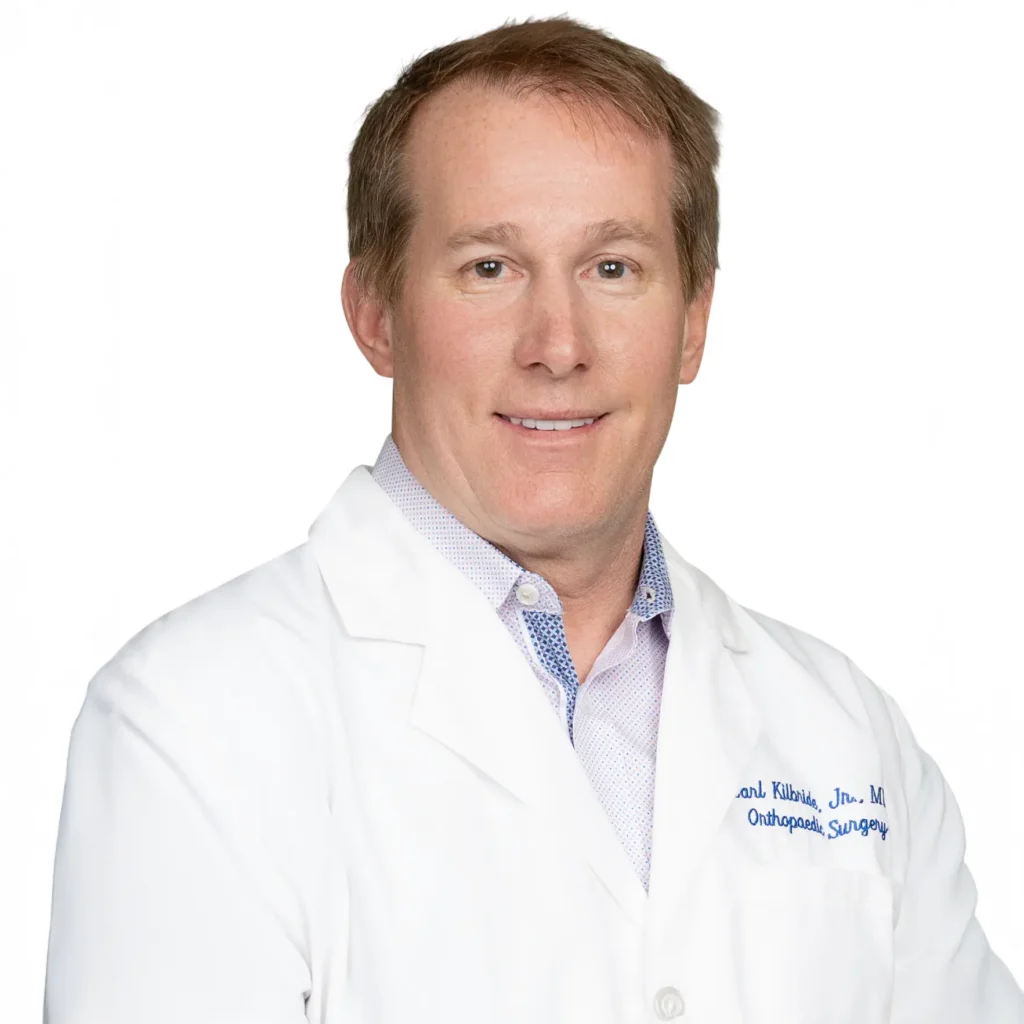
Dr. Earl Kilbride, MD, MHA
- Acute Trauma & Sports Injuries. Fellowship-trained in Sports Medicine. Expert in managing complex fractures of the knee, shoulder, and extremities.
- Fracture Fixation (ORIF)
- Joint Realignment
- Ligament Repair
- Trauma Reconstruction
Care at All Locations
Fracture Follow-Up Care at All Three Locations
Austin | Georgetown | Marble Falls
Our orthopedic teams at every AOI location provide:
✓ Cast and Splint Management: application, adjustment, and removal with imaging at each stage of healing
✓ Post-Reduction Care: bracing, monitoring, and rehabilitation planning after a dislocated joint has been treated
Need specialized care? If your injury is complex—such as a multi-fragmentary fracture or a non-union—we will make sure you are seen by a fellowship-trained orthopedic surgeon with extensive experience in fracture care and post-traumatic reconstruction.
What to Expect at Your Appointment
Before Your Visit
If you have been treated at an emergency room or urgent care, be sure to request a copy of your imaging so that it can be reviewed by our team during your first visit.
During Your Visit
Focused Assessment – We perform a focused physical exam to check for nerve function, blood flow, and joint stability.
Stabilization – If the injury is non-surgical, we will provide on-site casting or bracing.
Surgical Planning – For complex fractures, we use advanced 3D computerized planning to map out the placement of plates and screws before you ever enter the operating room.

Frequently Asked Questions
Go to the emergency room first. Hospital trauma teams are equipped to evaluate serious injuries, manage pain, and stabilize fractures and dislocations. Once you have been treated, contact us for specialist follow-up, often within 24 to 48 hours, so a surgeon can review your imaging and plan your definitive care.
Most bones take 6 to 8 weeks to knit back together, but full strength and return to sports can take 3 to 6 months depending on the severity and location of the injury.
This is arthritis that develops specifically because of an old injury. If a fracture involved a joint surface, the cartilage may wear down faster, leading to pain years later. We specialize in managing this through injections or joint replacement.
Almost always. Once the bone is stable, physical therapy is vital to restore the range of motion in the joints that were “frozen” during the casting or bracing period.
A clean break (simple fracture) is a single snap. A complex fracture (comminuted) involves the bone breaking into several pieces, which often requires surgical plates and screws to hold the alignment.
Yes. We use bone grafting, specialized growth stimulants, and revision surgery to restart the healing process in bones that failed to knit together initially.
Not necessarily. First-time dislocations are typically treated in the emergency room with a reduction (putting the joint back in place) followed by bracing. Our role is the follow-up: assessing the ligaments, guiding rehabilitation, and repairing tears surgically when dislocations recur.
Yes. We offer complimentary reviews of your imaging. Our surgeons can provide a second opinion on whether surgery is necessary or if a different surgical approach might be better.
Schedule Your Follow-Up Today
Whether you were treated in an emergency room last night or you are living with an old injury that never healed right, our team is ready to help. We will review your imaging, evaluate your injury, and build a personalized treatment plan to get you back to what you love.
Why Choose Austin Orthopedic Institute for Orthopedic Trauma?
✓ Fast Post-ER Follow-Up: Priority appointments, often within 24 to 48 hours of emergency treatment
✓ Fellowship-Trained Orthopedic Surgeons: Extensive experience in fracture care and post-traumatic reconstruction, as well as sports medicine and upper extremity care.
✓ Advanced Fracture Fixation: Modern internal fixation techniques for precise surgical care
✓ Comprehensive Recovery: Coordinated care from specialist evaluation through surgery and in-house physical
✓ Conservative Treatment First: Expert casting and bracing for injuries that do not require surgery therapy
✓ Three Convenient Locations: Specialists in Austin, Georgetown, and Marble Falls
Our Locations
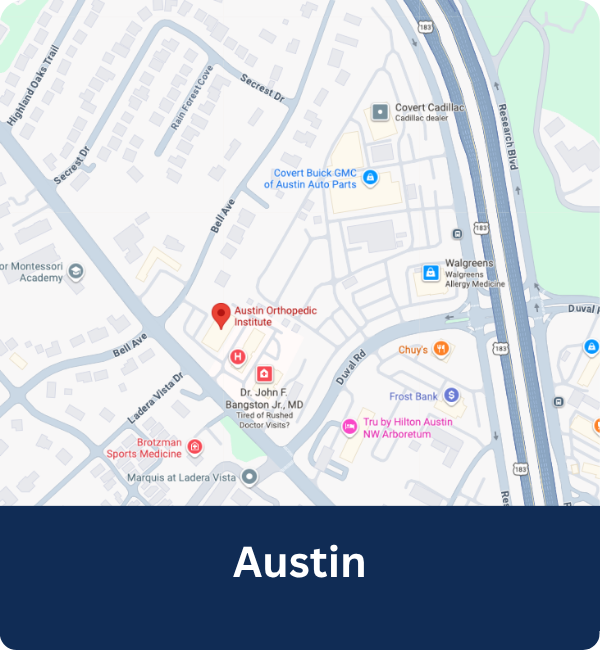
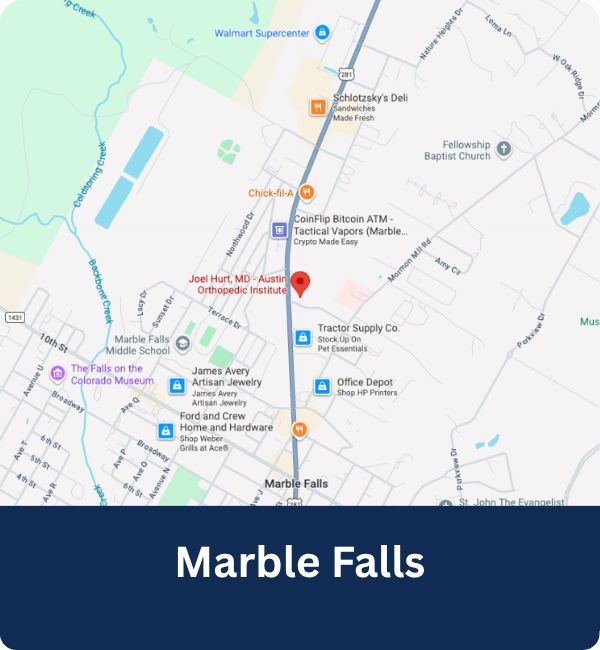
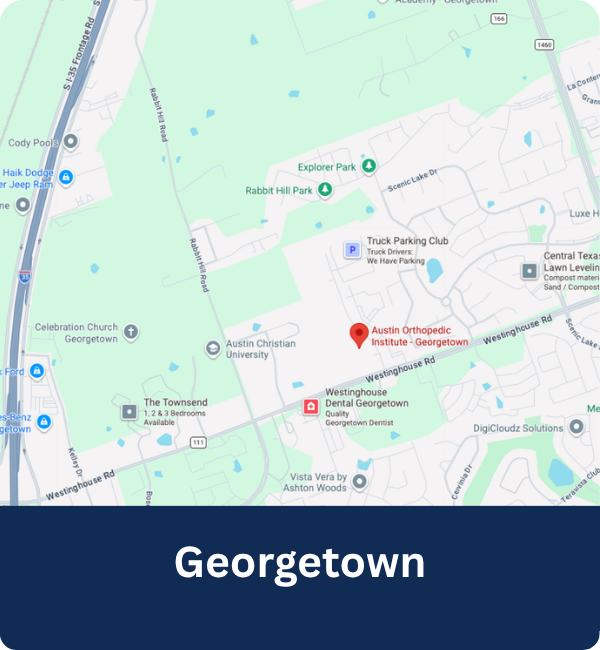
Austin Orthopedic Institute has three locations: Austin, Georgetown, and Marble Falls. All of our providers see patients at our main Austin office and our Georgetown location, and Dr. Hurt also sees patients at our Marble Falls satellite office.
Related Services
Hip Pain & Surgery
Hand, wrist, & elbow care
Sports Medicine
Physical Therapy
Austin Orthopedic Institute has been proudly serving Central Texas since 2004, providing exceptional orthopedic care with a personal touch. Your injury is unique to you, and we treat it that way.