

about dr. kilbride
Specialties & Interests
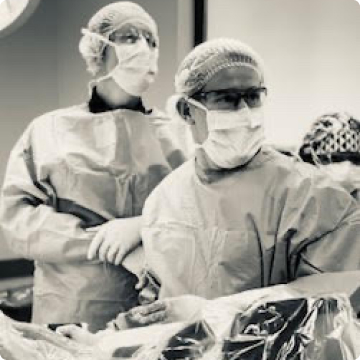
After 20 years of orthopedic practice in the Austin community, Dr. Kilbride continues to be committed to continuing his compassionate yet specialized care with the Austin Orthopedic Institute. With two office locations in Austin, he specializes in sports medicine, joint reconstruction, and orthopedic trauma.
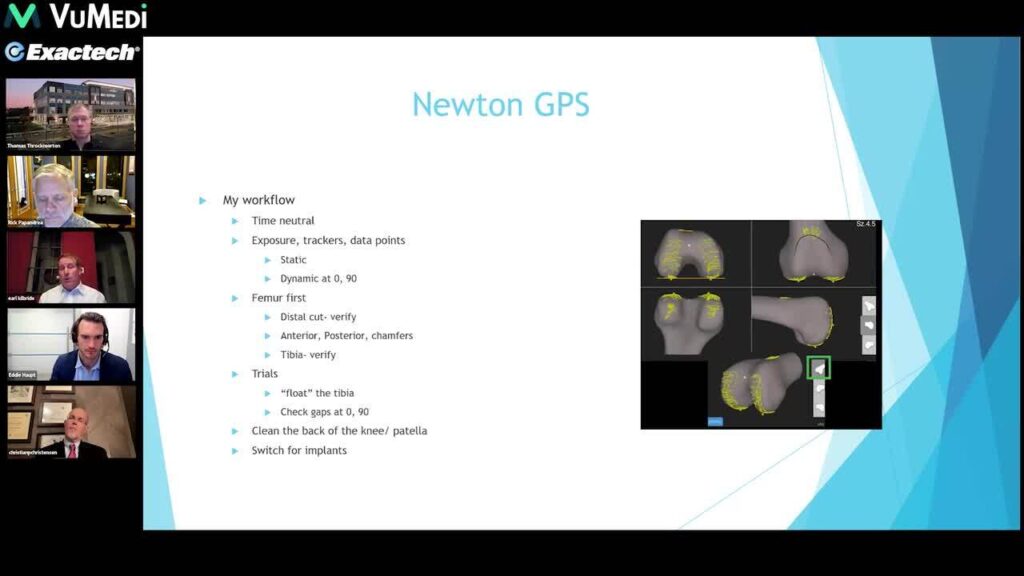
Dr. Kilbride’s orthopedic interests include outpatient total joint surgery, complex knee injuries, traumatic joint injuries, and sports medicine. He is also on the forefront of minimally invasive nerve stimulation in painful joints, both pre and post surgery.
Personal Story
Dr. Kilbride is a native of New Orleans. After spending his formative years there, he went to college on a baseball scholarship to Southeastern Louisiana University in the Southland Conference. He later finished his undergraduate studies at LSU in Microbiology. From there, Dr. Kilbride attended LSU Medical School in New Orleans, where he was Junior AOA (top 6 of his class). Dr. Kilbride’s trek to Texas began with an orthopedic residency at the renowned UT Southwestern.
After 5 years in Dallas, Dr. Kilbride was awarded a fellowship in sports medicine and reconstruction at the Southern California Orthopedic Institute. He then became a transplanted Austin native in 2002, where he has practiced orthopedic surgery since.
He has served as the head team physician for Texas State University, numerous high schools, and provided event coverage for national and international events here in Austin. He has also participated in the orthopedic trauma call panel since his arrival here in Austin in 2002.
Outside of medicine, Dr. Kilbride enjoys family time and an active lifestyle, including running, skiing, and watersports. His 3 boys have all been NCAA college athletes and he has always been their biggest cheerleader.
Specialties
Knee Replacement
Shoulder
Hip
Trauma
Post-Op Protocols
Ankle Fracture (Fixation)
Following fixation for ankle fracture, your Weight Bearing status will be determined on a case by case basis. You should use an assistive device, with a walker or knee scooter being the safest tools. You should take Aspirin 325 mg twice daily (unless another thinner was prescribed in the hospital). You will often be in a boot walker.
Dressing off 5–7 days, NWB, shower 5–7 days
2 Weeks Post Op
- Staples/sutures out if need be
- Recheck an XR for fracture healing
- Continue on the walker/scooter
- Continue Aspirin 325mg twice daily for 4 weeks
- Begin/continue physical therapy with emphasis on knee/ankle ROM
- You should be on all your pre injury medications
- Follow up with Dr. Kilbride (either in person or virtually)
- Start working towards driving if operative leg is LEFT
6 Weeks Post Op
- Recheck an XR for fracture healing
- Continue physical therapy
- Wean walker depending on bone healing
- Maybe use a cane
- Start working towards driving if operative leg is RIGHT
12 Weeks Post Op
- Recheck an XR for fracture healing
- Resume all pre injury activities
Ankle Arthroscopy
This is a procedure where we make a couple of small incisions (about 5mm) and place an arthroscope connected to a camera to perform your surgery. It is a minimally invasive procedure but is a “real” surgical procedure that requires proper post operative care.
We are here to “get you better.” We do our best to personalize your care. If at any point throughout the process, you have concern, please reach out to us. The office main number is 512-856-1000.
POD 1
- Pain control
- Cover for showers, no baths or submerging
- ASA 325 mg po BID for one month
- Use TED hose, SCD pumps, Ice Machine
- We use fluid to visualize the inside of your ankle. It is common to have leakage of the fluid for the 1st few days. It should progressively decrease. It should never increase. It may be blood tinged.
- Pain after surgery is common. Stay on top of the pain with ice, elevation, crutches, and pain medicines.
POD 3–5
- Change dressing
- Wean pain medicine to OTC pain meds
- It is OK to drive when you are off narcotic pain medications and can safely start/stop the automobile
- OK to shower
POD 14
- Follow up with Dr. Kilbride
- Plan to wean assistive devices unless otherwise discussed
- No impact exercise
- Remove sutures if necessary
- Physical therapy will be ordered if necessary
Follow up will be at 6 weeks and possibly 3 months post op.
Carpal Tunnel / Trigger Finger
We still encourage patients to use chemical (Aspirin 325 mg twice daily or another anticoagulant) and mechanical (compression stockings) prophylaxis against blood clots. Even just one extremity injury can severely disrupt your balance.
Dressing changed 5–7 days, shower 5–7 days
2 Weeks Post Op
- Follow up with Dr. Kilbride
- Staples or sutures out if needed
- Use shoulder, elbow, fingers
- Walk!!!
- Begin physical therapy if not already started
- Driving is probably ok if you’re off pain meds during the day and you can safely start and stop a vehicle
- Wean narcotics
- Resume all pre injury medications, if not done so already
Femur Fracture (Fixation)
Following fixation for femur fracture, your Weight Bearing status will be determined on a case by case basis. You should use an assistive device, with a walker being the safest tool. You should take Aspirin 325 mg twice daily (unless another thinner was prescribed in the hospital).
2 Weeks Post Op
- Staples/sutures out if need be
- Recheck an XR for fracture healing
- Continue on the walker
- Continue Aspirin 325mg twice daily for 4 weeks
- Begin/continue physical therapy with emphasis on knee/hip ROM
- You should be on all your pre injury medications
- Follow up with Dr. Kilbride (either in person or virtually)
- Start working towards driving if operative leg is LEFT
6 Weeks Post Op
- Recheck an XR for fracture healing
- Continue physical therapy
- Wean walker depending on bone healing
- Maybe use a cane
- Start working towards driving
12 Weeks Post Op
- Recheck an XR for fracture healing
- Resume all pre injury activities
Foot Fracture (Fixation)
Following fixation for foot fracture, your Weight Bearing status will be determined on a case by case basis. You should use an assistive device, with a walker or knee scooter being the safest tools. You should take Aspirin 325 mg twice daily (unless another thinner was prescribed in the hospital). You will often be in a boot walker.
Dressing changed 5–7 days, NWB, shower 5–7 days
2 Weeks Post Op
- Staples/sutures out if need be
- Recheck an XR for fracture healing
- Continue on the walker/scooter
- Continue Aspirin 325mg twice daily for 4 weeks
- Begin/continue physical therapy with emphasis on knee/ankle ROM
- You should be on all your pre injury medications
- Follow up with Dr. Kilbride (either in person or virtually)
- Start working towards driving if operative leg is LEFT
6 Weeks Post Op
- Recheck an XR for fracture healing
- Continue physical therapy
- Wean walker depending on bone healing
- Maybe use a cane
- Start working towards driving if operative leg is RIGHT
12 Weeks Post Op
- Recheck an XR for fracture healing
- Resume all pre injury activities
Elbow Fixation (Fracture)
Your elbow was fixed with plates and screws. We still encourage patients to use chemical (Aspirin 325 mg twice daily or another anticoagulant) and mechanical (compression stockings) prophylaxis against blood clots. You should leave the hospital in a sling. Even just one extremity injury can severely disrupt your balance.
Dressing changed 5–7 days, shower 5–7 days
2 Weeks Post Op
- Follow up with Dr. Kilbride
- Recheck an XR to evaluate the fracture
- Staples or sutures out if needed
- Use hand, wrist, shoulder
- Walk!!!
- Begin physical therapy if not already started
- Driving is probably ok if you’re off pain meds during the day and you can safely start and stop a vehicle
- Wean narcotics
- Resume all pre injury medications, if not done so already
- ROM and resistance will be determined by the XRs
6 Weeks Post Op
- Follow up with Dr. Kilbride
- ROM and resistance will be determined by the XRs
- Wean sling
- Continue physical therapy
- Continue to walk
12 Weeks Post Op
- Follow up with Dr. Kilbride
- May need to continue PT
- Only 60–75% better… turning the corner
Shoulder Fixation (Fracture)
Your shoulder was fixed with plates and screws. We still encourage patients to use chemical (Aspirin 325 mg twice daily or another anticoagulant) and mechanical (compression stockings) prophylaxis against blood clots. You should leave the hospital in a sling. Even though your shoulder is your current issue, even just one extremity injury can severely disrupt your balance.
Dressing changed 5–7 days, shower 5–7 days
2 Weeks Post Op
- Follow up with Dr. Kilbride
- Recheck an XR to evaluate the fracture
- Staples or sutures out if needed
- Use hand, wrist, elbow
- Walk!!!
- Begin physical therapy if not already started
- Driving is probably ok if you’re off pain meds during the day and you can safely start and stop a vehicle
- Wean narcotics
- Resume all pre injury medications, if not done so already
- ROM and resistance will be determined by the XRs
6 Weeks Post Op
- Follow up with Dr. Kilbride
- ROM and resistance will be determined by the XRs
- Wean sling
- Continue physical therapy
- Continue to walk
12 Weeks Post Op
- Follow up with Dr. Kilbride
- May need to continue PT
- Only 60–75% better… turning the corner
Shoulder Replacement (Fracture)
Occasionally, the best way to fix a complex shoulder fracture is to replace the joint. We most often do a reverse total shoulder replacement if the joint needs to be replaced in the fracture setting. We still encourage patients to use chemical (Aspirin 325 mg twice daily or another anticoagulant) and mechanical (compression stockings) prophylaxis against blood clots. You should leave the hospital in a sling. Even though your shoulder is your current issue, even just one extremity injury can severely disrupt your balance.
Dressing changed 5–7 days, shower 5–7 days
2 Weeks Post Op
- Follow up with Dr. Kilbride
- Recheck an XR to evaluate the new joint
- Staples or sutures out if needed
- Use hand, wrist, elbow
- Walk!!!
- Begin physical therapy if not already started
- ROM as tolerated
- Strength as tolerated
- Driving is probably ok if you’re off pain meds during the day and you can safely start and stop a vehicle
- Wean narcotics
- Resume all pre injury medications, if not done so already
6 Weeks Post Op
- Follow up with Dr. Kilbride
- Wean sling
- Continue physical therapy
- Continue to walk
12 Weeks Post Op
- Follow up with Dr. Kilbride
- May need to continue PT
- Only 60–75% better… turning the corner
Hardware Removal Surgery
This is a procedure where we take out hardware. We often use plates, screws, wires, rods, or sutures to hold fractures and often remove it. We use a live XR to confirm the reduction and hardware placement. Function, motion, and weight bearing immediately after surgery are often the norm. Long term, the goal is return to normalcy.
We are here to “get you better.” We do our best to personalize your care. If at any point throughout the process, you have concern, please reach out to us. The office main number is 512-856-1000.
POD 1
- Pain control
- Cover for showers, no baths or submerging
- ASA 325 mg po BID for one month
- Use TED hose, SCD pumps, Ice Machine
- Pain after surgery is common. Stay on top of the pain with ice, elevation, crutches, and pain medicines.
POD 3–5
- Change dressing
- Wean pain medicine to OTC pain meds
- Driving is a case by case basis
- OK to shower
POD 14
- Follow up with Dr. Kilbride
- Remove sutures if necessary
- Physical therapy will be ordered if necessary
Follow up as needed depending on the visit findings.
Hip Fracture (Replacement)
Following hip replacement for fracture, you will be WBAT. You should use an assistive device, with a walker being the safest tool. You should take Aspirin 325 mg twice daily (unless another thinner was prescribed in the hospital).
2 Weeks Post Op
- Staples/sutures out if need be
- Recheck an XR for component positioning
- Continue on the walker
- Continue Aspirin 325mg twice daily for 4 weeks
- Begin/continue physical therapy
- You should be on all your pre injury medications
- Follow up with Dr. Kilbride (either in person or virtually)
6 Weeks Post Op
- Continue physical therapy
- Wean walker
- Maybe use a cane
- Start working towards driving
12 Weeks Post Op
- Resume all pre injury activities
Hip Fracture (Fixation)
Following hip fixation for fracture, you will be WBAT unless otherwise prescribed. You should use an assistive device, with a walker being the safest tool. You should take Aspirin 325 mg twice daily (unless another thinner was prescribed in the hospital).
2 Weeks Post Op
- Staples/sutures out if need be
- Recheck an XR for fracture healing
- Continue on the walker
- Continue Aspirin 325mg twice daily for 4 weeks
- Begin/continue physical therapy
- You should be on all your pre injury medications
- Follow up with Dr. Kilbride (either in person or virtually)
6 Weeks Post Op
- Recheck an XR for fracture healing
- Continue physical therapy
- Wean walker
- Maybe use a cane
- Start working towards driving
12 Weeks Post Op
- Recheck an XR for fracture healing
- Resume all pre injury activities
Knee Arthroscopy
This is a procedure where we make a couple of small incisions (about 5mm) and place an arthroscope connected to a camera to perform your surgery. It is a minimally invasive procedure but is a “real” surgical procedure that requires proper post operative care.
We are here to “get you better.” We do our best to personalize your care. If at any point throughout the process, you have concern, please reach out to us. The office main number is 512-856-1000.
POD 1
- Pain control
- Begin Quad Exercises, ROM
- Cover for showers, no baths or submerging
- ASA 325 mg po BID for one month
- Use TED hose, SCD pumps, Ice Machine
- We use fluid to visualize the inside of your knee. It is common to have leakage of the fluid for the 1st few days. It should progressively decrease. It should never increase. It may be blood tinged.
- Pain after surgery is common. Stay on top of the pain with ice, elevation, crutches, and pain medicines.
POD 3–5
- Change dressing
- Wean pain medicine to OTC pain meds
- It is OK to drive when you are off narcotic pain medications and can safely start/stop the automobile
- OK to shower
POD 14
- Follow up with Dr. Kilbride
- Plan to wean assistive devices unless otherwise discussed
- No impact exercise
- Remove sutures if necessary
- Physical therapy will be ordered if necessary
Follow up will be at 6 weeks and possibly 3 months post op.
Knee Arthroscopy with Ligament Reconstruction
This is a procedure where we make a couple of small incisions (about 5mm) and place an arthroscope connected to a camera to perform your surgery. It is a minimally invasive procedure but is a “real” surgical procedure that requires proper post operative care. We often also use small open incisions for parts of the procedure.
We are here to “get you better.” We do our best to personalize your care. If at any point throughout the process, you have concern, please reach out to us. The office main number is 512-856-1000.
POD 1
- Pain control
- Cover for showers, no baths or submerging
- ASA 325 mg po BID for one month
- Use TED hose, SCD pumps, Ice Machine, brace if ordered
- Your muscles may not be quite normal due to the block and surgery. A brace and/or assistive devices (crutches, cane, walker) are extremely helpful to prevent falls and discomfort.
- We use fluid to visualize the inside of your knee. It is common to have leakage of the fluid for the 1st few days. It should progressively decrease. It should never increase. It may be blood tinged.
- Pain after surgery is common. Stay on top of the pain with ice, elevation, crutches, and pain medicines.
POD 3–5
- Change dressing
- Wean pain medicine to OTC pain meds
- It is OK to drive when you are off narcotic pain medications and can safely start/stop the automobile
- OK to shower, change dressing
POD 14
- Follow up with Dr. Kilbride
- Plan to wean assistive devices unless otherwise discussed
- No impact exercise
- Remove sutures if necessary
- Physical therapy will be ordered if necessary
Follow up will be at 6 weeks and possibly 3 months post op.
Your recovery goes well beyond 3 months. It often takes several months for the ligament to mature and strengthen, in order to withstand the demands of life. We, and your physical therapists, will offer a timeline to gradually increase your activity back to your specific demands.
Lower Extremity Post Fracture Surgery
This is a procedure where we make an incision over the area where the bone is broken. We then reduce it (put it back together). We often use plates, screws, wires, rods, or sutures to hold it. We use a live XR to confirm the reduction and hardware placement. Function, motion, and weight bearing immediately after surgery are most often a function of how involved both the fracture and the procedure were. Long term, the goal is return to normalcy.
We are here to “get you better.” We do our best to personalize your care. If at any point throughout the process, you have concern, please reach out to us. The office main number is 512-856-1000.
POD 1
- Pain control
- Cover for showers, no baths or submerging
- ASA 325 mg po BID for one month
- Use TED hose, SCD pumps, Ice Machine
- Pain after surgery is common. Stay on top of the pain with ice, elevation, crutches, and pain medicines.
POD 3–5
- Change dressing
- Wean pain medicine to OTC pain meds
- Driving is a case by case basis
- OK to shower
POD 14
- Follow up with Dr. Kilbride
- Remove sutures if necessary
- Physical therapy will be ordered if necessary
Follow up will be at 6 weeks and possibly 3 months post op.
Fractures often take 3 months to heal. Unfortunately, some fractures require a period of immobilization before allowing for physical therapy. We realize this slows recovery but it’s a fine line between “getting the bone to heal” and early motion. We try to minimalize the immobilization period.
Patients often ask if the hardware is permanent. Most patients end up leaving the hardware in place. With that said, most hardware can be removed. Once the bone is healed, the hardware’s job is done. It often takes several months to completely heal. As a result, we often leave the hardware in for 6–12 months, depending on the fracture and body part.
Patients often ask “how will I know the hardware is causing problems?” There is no concrete answer to this question. Diagnosing a fracture is fairly easy with the proper studies (XR, CT, MRI). Diagnosing a hardware issue is more complex. There is no test to obtain.
Elbow Replacement (Fracture)
Some or all of your elbow joint was replaced. You may also have plates and screws. We still encourage patients to use chemical (Aspirin 325 mg twice daily or another anticoagulant) and mechanical (compression stockings) prophylaxis against blood clots. You should leave the hospital in a sling. Even just one extremity injury can severely disrupt your balance.
2 Weeks Post Op
- Follow up with Dr. Kilbride
- Recheck an XR to evaluate the new joint and fracture
- Staples or sutures out if needed
- Use hand, wrist, shoulder
- Walk!!!
- Begin physical therapy if not already started
- Driving is probably ok if you’re off pain meds during the day and you can safely start and stop a vehicle
- Wean narcotics
- Resume all pre injury medications, if not done so already
- ROM and resistance will be determined by the XRs
- Wean sling
6 Weeks Post Op
- Follow up with Dr. Kilbride
- ROM and resistance will be determined by the XRs
- Continue physical therapy
- Continue to walk
12 Weeks Post Op
- Follow up with Dr. Kilbride
- May need to continue PT
- Only 60–75% better… turning the corner
Shoulder Arthroscopy (Rotator Cuff Repair)
This is a procedure where we make a couple of small incisions (about 5mm) and place an arthroscope connected to a camera to perform your surgery. It is a minimally invasive procedure but is a “real” surgical procedure that requires proper post operative care.
We are here to “get you better.” We do our best to personalize your care. If at any point throughout the process, you have concern, please reach out to us. The office main number is 512-856-1000.
POD 1
- Pain control
- Sling
- It is ok to use your hand, wrist, and elbow (it’s encouraged)
- Cover for showers, no baths or submerging
- ASA 325 mg po BID for one month
- Use TED hose, SCD pumps, Ice Machine
- We use fluid to visualize the inside of your shoulder. It is common to have leakage of the fluid for the 1st few days. It should progressively decrease. It should never increase. It may be blood tinged.
- Pain after surgery is common. Stay on top of the pain with ice, immobilization, and pain medicines.
POD 3–5
- Change dressing
- Wean pain medicine to OTC pain meds
- It is OK to drive when you are off narcotic pain medications and can safely start/stop the automobile
- OK to shower
POD 14
- Follow up with Dr. Kilbride
- Plan to wean assistive devices unless otherwise discussed
- It is ok to go to the gym or exercise but limited to walking or simple lower extremity weights; machines are best because you can’t lift plates
- Remove sutures if necessary
- Physical therapy will be ordered if necessary
Follow up will be at 6 weeks and possibly 3 months post op.
Unfortunately, rotator cuff surgery takes about 3 months to heal. We will often begin active ROM before then but limit the weight you can lift.
Shoulder Arthroscopy (Instability)
This is a procedure where we make a couple of small incisions (about 5mm) and place an arthroscope connected to a camera to perform your surgery. It is a minimally invasive procedure but is a “real” surgical procedure that requires proper post operative care.
We are here to “get you better.” We do our best to personalize your care. If at any point throughout the process, you have concern, please reach out to us. The office main number is 512-856-1000.
POD 1
- Pain control
- Sling
- It is ok to use your hand, wrist, and elbow (it’s encouraged)
- Cover for showers, no baths or submerging
- ASA 325 mg po BID for one month
- Use TED hose, SCD pumps, Ice Machine
- We use fluid to visualize the inside of your shoulder. It is common to have leakage of the fluid for the 1st few days. It should progressively decrease. It should never increase. It may be blood tinged.
- Pain after surgery is common. Stay on top of the pain with ice, immobilization, and pain medicines.
POD 3–5
- Change dressing
- Wean pain medicine to OTC pain meds
- It is OK to drive when you are off narcotic pain medications and can safely start/stop the automobile
- OK to shower
POD 14
- Follow up with Dr. Kilbride
- Plan to wean assistive devices unless otherwise discussed
- It is ok to go to the gym or exercise but limited to walking or simple lower extremity weights; machines are best because you can’t lift plates
- Remove sutures if necessary
- Physical therapy will be ordered if necessary
Follow up will be at 6 weeks and possibly 3 months post op.
Unfortunately, instability shoulder surgery takes about 3 months to heal. We will often begin active ROM before then but limit the weight you can lift. Essentially, we immobilize you for a month, gain ROM for a month, and strengthen for a month.
Tibia Fracture (Fixation)
Following fixation for tibia fracture, your Weight Bearing status will be determined on a case by case basis. You should use an assistive device, with a walker being the safest tool. You should take Aspirin 325 mg twice daily (unless another thinner was prescribed in the hospital).
Dressing changed 5–7 days, shower 5–7 days
2 Weeks Post Op
- Staples/sutures out if need be
- Recheck an XR for fracture healing
- Continue on the walker
- Continue Aspirin 325mg twice daily for 4 weeks
- Begin/continue physical therapy with emphasis on knee/ankle ROM
- You should be on all your pre injury medications
- Follow up with Dr. Kilbride (either in person or virtually)
- Start working towards driving if operative leg is LEFT
6 Weeks Post Op
- Recheck an XR for fracture healing
- Continue physical therapy
- Wean walker depending on bone healing
- Maybe use a cane
- Start working towards driving if operative leg is RIGHT
12 Weeks Post Op
- Recheck an XR for fracture healing
- Resume all pre injury activities
Upper Extremity Post Fracture Surgery
This is a procedure where we make an incision over the area where the bone is broken. We then reduce it (put it back together). We often use plates, screws, wires, rods, or sutures to hold it. We use a live XR to confirm the reduction and hardware placement. Function, motion, and weight bearing immediately after surgery are most often a function of how involved both the fracture and the procedure were. Long term, the goal is return to normalcy.
We are here to “get you better.” We do our best to personalize your care. If at any point throughout the process, you have concern, please reach out to us. The office main number is 512-856-1000.
Dressing changed 5–7 days, shower 5–7 days
POD 1
- Pain control
- Cover for showers, no baths or submerging
- ASA 325 mg po BID for one month
- Use TED hose, SCD pumps, Ice Machine
- Pain after surgery is common. Stay on top of the pain with ice, elevation, braces, and pain medicines.
POD 3–5
- Change dressing
- Wean pain medicine to OTC pain meds
- It is OK to drive when you are off narcotic pain medications and can safely start/stop the automobile
- OK to shower
POD 14
- Follow up with Dr. Kilbride
- Remove sutures if necessary
- Physical therapy will be ordered if necessary
Follow up will be at 6 weeks and possibly 3 months post op.
Fractures often take 3 months to heal. Unfortunately, some fractures require a period of immobilization before allowing for physical therapy. We realize this slows recovery but it’s a fine line between “getting the bone to heal” and early motion. We try to minimalize the immobilization period.
Patients often ask if the hardware is permanent. Most patients end up leaving the hardware in place. With that said, most hardware can be removed. Once the bone is healed, the hardware’s job is done. It often takes several months to completely heal. As a result, we often leave the hardware in for 6–12 months, depending on the fracture and body part.
Patients often ask “how will I know the hardware is causing problems?” There is no concrete answer to this question. Diagnosing a fracture is fairly easy with the proper studies (XR, CT, MRI). Diagnosing a hardware issue is more complex. There is no test to obtain.
Wrist Fixation (Fracture)
You have plates and screws. We still encourage patients to use chemical (Aspirin 325 mg twice daily or another anticoagulant) and mechanical (compression stockings) prophylaxis against blood clots. You should leave the hospital in a sling. Even just one extremity injury can severely disrupt your balance.
Dressing changed 5–7 days, shower 5–7 days
2 Weeks Post Op
- Follow up with Dr. Kilbride
- Recheck an XR to evaluate the fracture
- Staples or sutures out if needed
- Use shoulder, elbow, fingers
- Walk!!!
- Begin physical therapy if not already started
- Driving is probably ok if you’re off pain meds during the day and you can safely start and stop a vehicle
- Wean narcotics
- Resume all pre injury medications, if not done so already
- ROM and resistance will be determined by the XRs
- Wean sling
6 Weeks Post Op
- Follow up with Dr. Kilbride
- ROM and resistance will be determined by the XRs
- Continue physical therapy
- Continue to walk
12 Weeks Post Op
- Follow up with Dr. Kilbride
- May need to continue PT
- Only 60–75% better… turning the corner
Videos & Presentations