Relief and Support from Austin Orthopedic Institute’s Orthopedic Knee Specialists
Knee Cartilage Care
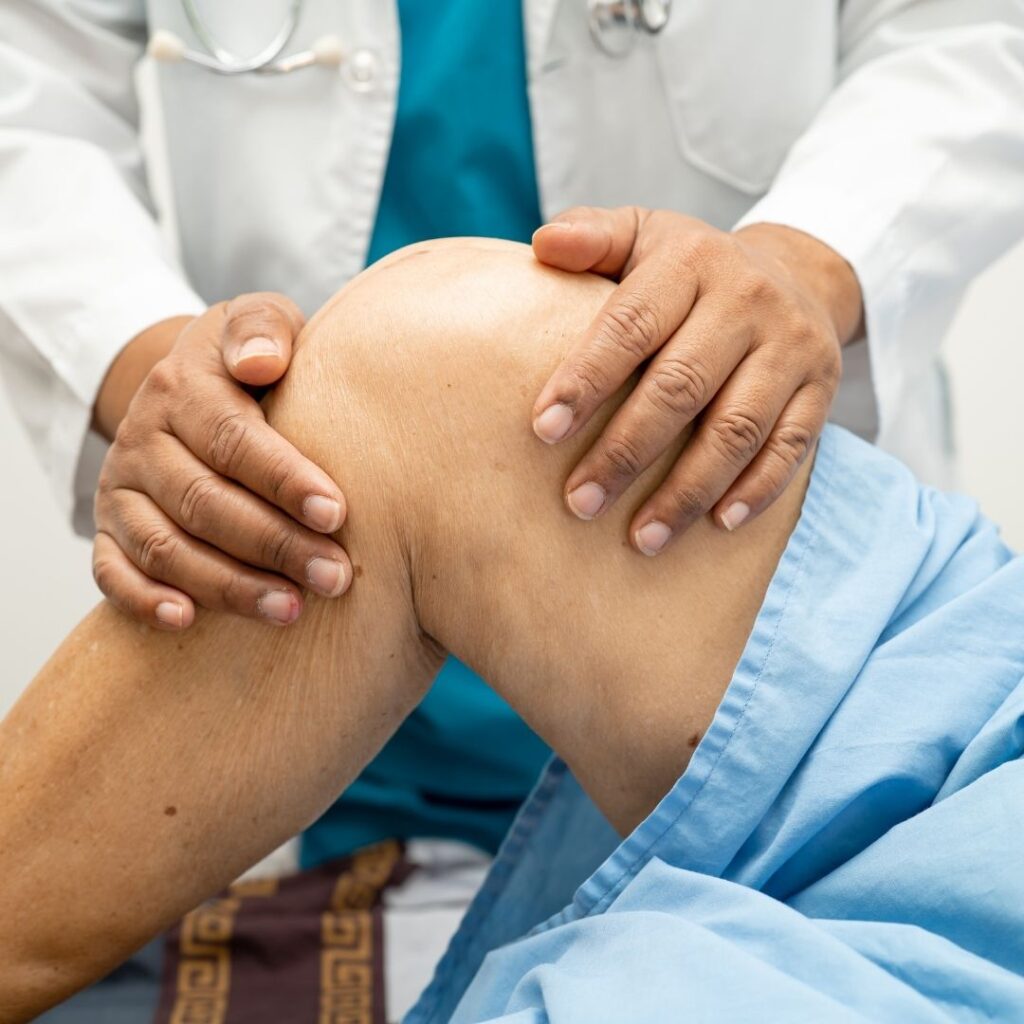
Chondromalacia affects the cartilage under the kneecap, causing discomfort and limiting movement. At Austin Orthopedic Institute, our orthopedic knee specialists and knee doctors in Austin provide detailed evaluations and care plans to address cartilage softening. Through careful assessment and evidence-based treatment, we help patients reduce knee pain and maintain mobility.
What Cartilage Softening Means for the Knee
Cartilage acts as a cushion between the kneecap and thigh bone. When cartilage softens, it can no longer protect the joint as effectively. This may lead to friction, swelling, and discomfort with common activities. Softened cartilage may cause subtle instability, making movements like squatting or climbing stairs uncomfortable.
Signs That Worsen Over Time
Climbing Stairs
Climbing stairs increases direct contact between the kneecap and the thigh bone. With chondromalacia, the softened cartilage under the kneecap cannot distribute pressure evenly. As the knee bends and straightens on each step, friction increases within the joint. This repeated compression can irritate the cartilage surface, leading to aching or sharp pain during stair use, especially when descending.
Squatting or Kneeling
Squatting and kneeling place the knee in deep flexion, which significantly raises pressure within the patellofemoral joint. In a knee affected by chondromalacia, softened cartilage struggles to tolerate this load. The kneecap presses firmly against the thigh bone, aggravating areas where cartilage integrity has weakened. Pain often increases the longer the position is held or with repeated movement.
Sitting for Extended Periods
Prolonged sitting keeps the knee bent, which maintains constant contact between the kneecap and the joint surface beneath it. Over time, this sustained pressure can irritate softened cartilage. When standing up after sitting, the cartilage may respond poorly to sudden movement, resulting in stiffness or discomfort until the joint warms up and motion becomes smoother.
Reduced Motion
Running and jogging involve repeated impact and force transmission through the knee. With chondromalacia, the cartilage beneath the kneecap lacks the resilience needed to absorb this repetitive load. Each stride increases joint stress, which can lead to cumulative irritation of the cartilage surface. Pain may start during activity or gradually build afterward as inflammation develops within the joint.
How Chondromalacia Develops
Chondromalacia often develops due to repeated stress on the knee, misalignment of the kneecap, or overuse from sports and physical activity. Muscle weakness or imbalance around the thigh can contribute to uneven pressure on the cartilage. Older adults may develop cartilage softening due to wear and tear over time.
Chondromalacia is softening of cartilage under the kneecap, while arthritis involves degeneration of joint surfaces and inflammation in multiple areas of the knee. Chondromalacia typically affects younger patients or those with repetitive knee stress, whereas arthritis is more common in older adults. Austin Orthopedic Institute’s orthopedic knee specialists can evaluate the joint and determine whether cartilage softening or arthritis is the primary concern.
The surgeons at Austin Orthopedic Institute have treated thousands of knee injuries and conditions. They specialize in a patient-first approach, utilizing the latest techniques, including robotic-assisted surgery, to ensure precision and personalized outcomes.
Common Knee Pain Treatment Available at All Locations
Austin | Marble Falls | Georgetown | Killeen
Our experienced orthopedic providers at all Austin Orthopedic Institute locations can diagnose and treat many common knee and lower extremity conditions, including:
✓ Diagnostic Evaluation – Initial assessment and treatment planning for all knee and lower limb conditions.
✓ Surgical Planning – Comprehensive preoperative assessment and customized surgical mapping for patients requiring treatment.
✓ Joint Injections – Corticosteroid or viscosupplementation injections for pain and lubrication.
What to Expect at Your Appointment
Before Your Visit
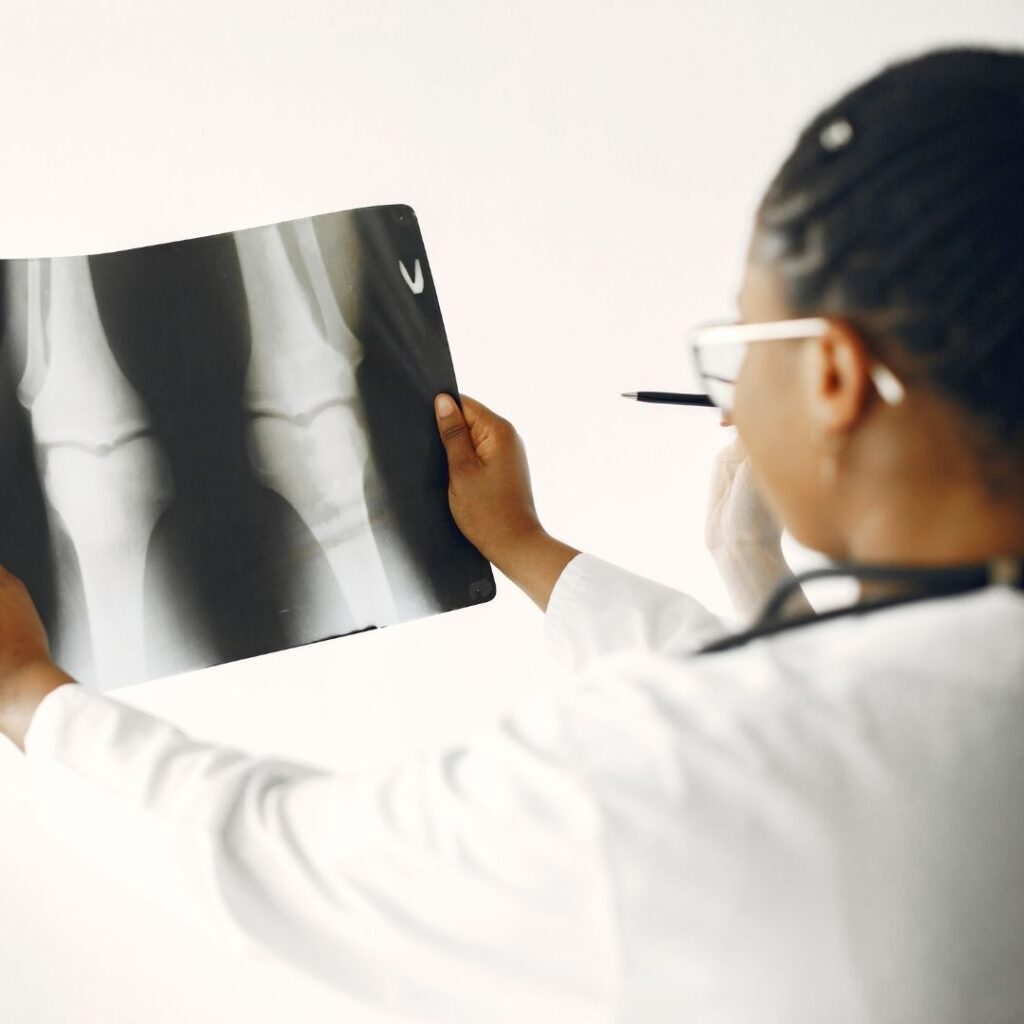
We encourage you to take advantage of our complimentary MRI, X-ray, and CT scan review service. Send us your images, and one of our board-certified orthopedic surgeons will personally review them, offering an expert second opinion and letting you know if you need to come in.
During Your Visit
Conservative Care – We develop a personalized plan, with most patients starting with 6-12 weeks of non-surgical treatment.
Surgical Planning – If surgery is necessary, we use advanced computerized and robotic pre-operative planning for optimal, precise outcomes.
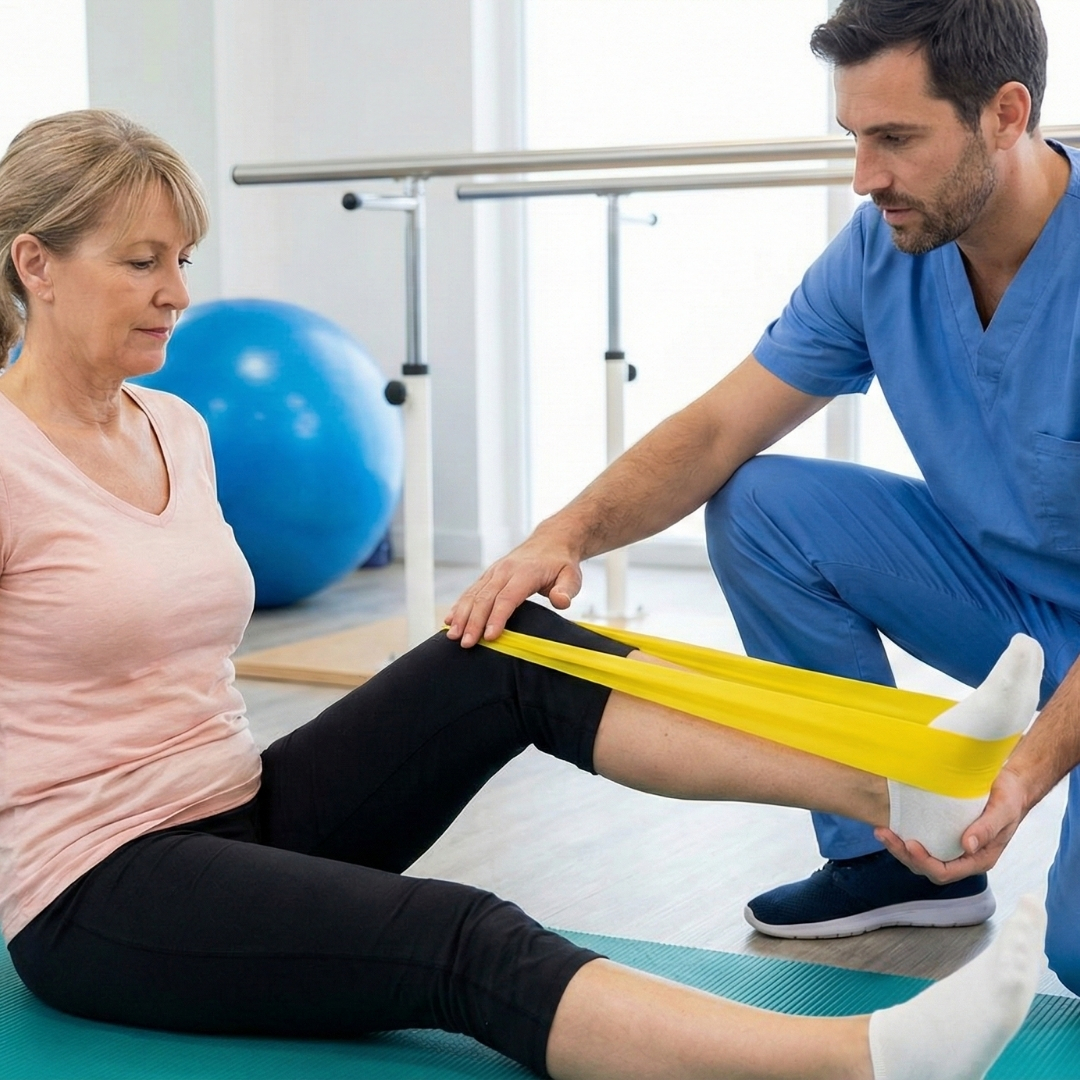
Recovery Support – We ensure close follow-up and coordinate your rehabilitation with our in-house physical therapy team for maximum recovery and a swift return to your active life.
Schedule Your Appointment Today
Don’t let chronic knee pain sideline your life any longer. At Austin Orthopedic Institute, we believe your injury is unique to you—and we treat it that way. Our expert, compassionate, and dedicated team is ready to diagnose your condition and develop a Personalized Treatment Plan that gets you moving again.
Why Choose Austin Orthopedic Institute for Knee Care?
✓ Robotic Knee Replacement Specialists – Access to cutting-edge technology (Mako® & AR) for superior precision
✓ 100% Fellowship-Trained Knee Surgeons – Advanced, subspecialty expertise you can trust
✓ Same-Day & Next-Day Appointments – When you’re in pain, we’re here to help quickly
✓ Over 130 Years of Combined Experience – Decades of proven orthopedic success in Central Texas
✓ Comprehensive Care, All Under One Roof – From initial diagnosis to surgery and in-house physical therapy
✓ Conservative Approach First – We exhaust non-surgical options before recommending surgery
✓ Four Convenient Locations – Austin, Marble Falls, Georgetown, and Killeen
✓ Complimentary Second Opinions – Free review of your existing MRI/X-ray/CT scans
Our Locations
Austin Orthopedic Institute has three locations – Austin, Georgetown, and Marble Falls. All of our providers go to the main office in Austin and our Georgetown location. Only Dr. Hurt visits our Marble Falls satellite location.
Important killeen location update
As of April 27, 2026, our Killeen location has closed, but your AOI team isn’t going anywhere. All of our providers have openings at our Austin and Georgetown offices and are ready to see you.