Focused care for knee injuries that affect stability, control, and movement
Ligament Injuries
Ligament injuries in the knee can change how the joint moves, bears weight, and responds to sudden motion. Tears to the PCL, MCL, or LCL often occur during high-impact events, sports collisions, or traumatic accidents. These injuries may lead to swelling, pain, or a feeling that the knee cannot be trusted during movement.
At Austin Orthopedic Institute, our team treats these injuries through careful evaluation and structured care paths. As orthopedic trauma specialists, we manage both isolated ligament injuries and complex cases involving fractures or joint instability as part of orthopedic trauma care.
Protecting Knee Stability
Knee stability relies on strong ligament support working together with surrounding muscles. When one or more ligaments are injured, the joint can feel loose, unstable, or painful during movement.
Orthopedic trauma injuries can affect daily activity, work demands, and athletic movement. Care may involve bracing, physical therapy, or surgical repair depending on the severity of the injury. Our orthopedic trauma surgeons focus on protecting alignment and joint control to help patients regain confidence with movement.
Key Ligaments That Support Knee Stability
Posterior Cruciate Ligament (PCL)
The posterior cruciate ligament sits deep within the knee and helps control backward movement of the shin bone in relation to the thigh bone. It plays an important role during activities that involve slowing down, walking downhill, or descending stairs. PCL injuries often occur after a direct blow to the front of the knee, such as during a car accident or a fall onto a bent knee.
Medial Collateral Ligament (MCL)
The medial collateral ligament runs along the inner side of the knee and helps maintain stability during side-to-side motion. It protects the knee from forces that push it inward and is commonly injured during contact sports or sudden twisting movements. While some MCL injuries improve with bracing and rehabilitation, more severe tears may require closer evaluation to prevent long-term instability.
Lateral Collateral Ligament (LCL)
The lateral collateral ligament supports the outer side of the knee and helps prevent excessive outward movement of the joint. It plays a key role in maintaining balance and control during cutting, pivoting, and quick changes in direction. LCL injuries are less common than MCL injuries but can occur from direct impact to the inner knee or from forceful twisting.
How These Injuries Happen
PCL and collateral ligament injuries often occur due to forceful impact or sudden directional change. Common causes include:
Vehicle accidents causing direct knee impact
Sports collisions or awkward landings
Falls that force the knee into abnormal positions
Twisting injuries with planted feet
Many of these injuries fall under orthopedic trauma, especially when combined with fractures or joint dislocation. Early evaluation helps guide the right course of care.
While these injuries share symptoms like swelling and pain, they affect the knee differently:
PCL injuries often cause difficulty with downhill walking or slowing down
MCL injuries commonly lead to pain along the inner knee
LCL injuries may cause instability on the outer side of the joint
Combined ligament injuries can significantly affect knee control and often require evaluation by an orthopedic trauma surgeon to rule out associated fractures or dislocations.
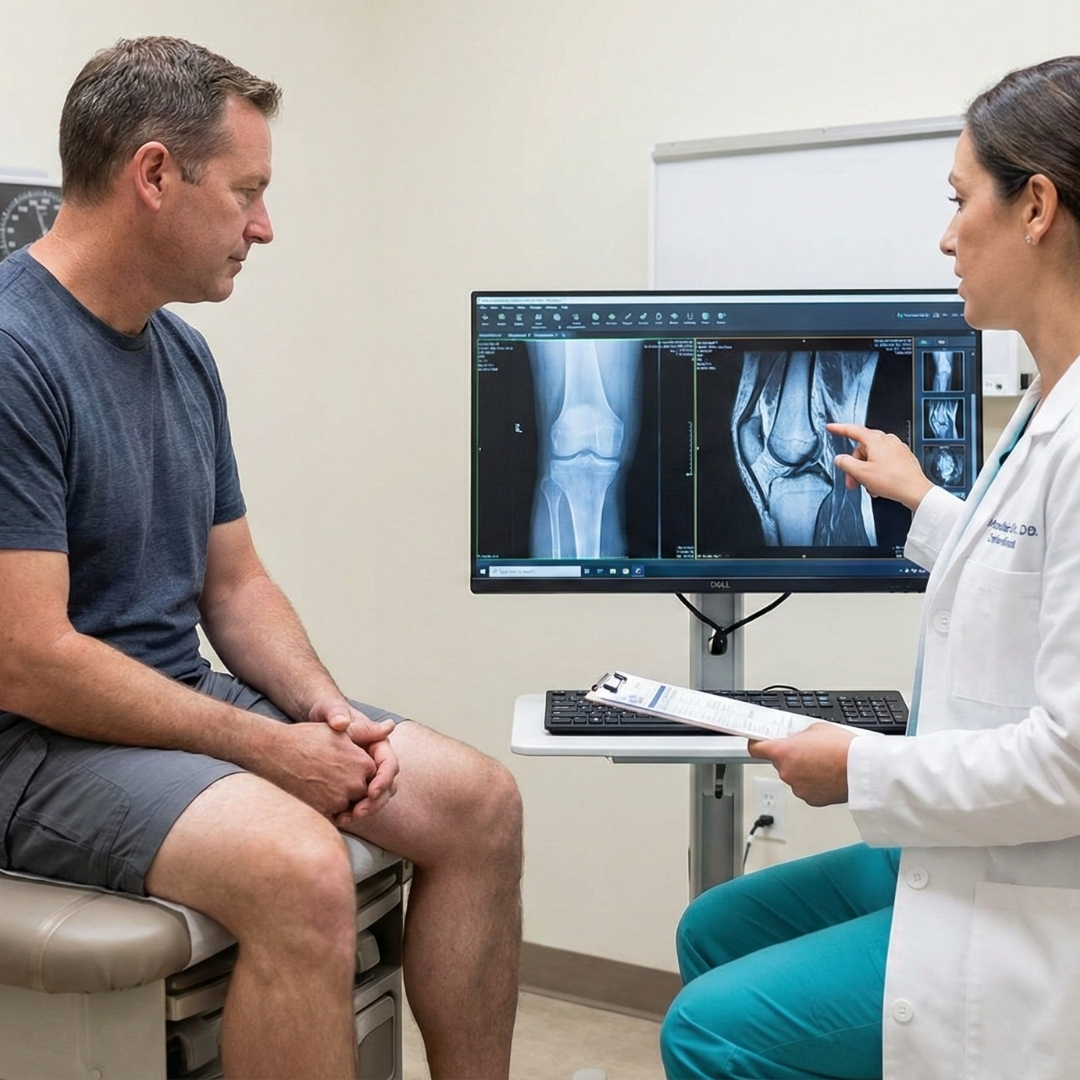
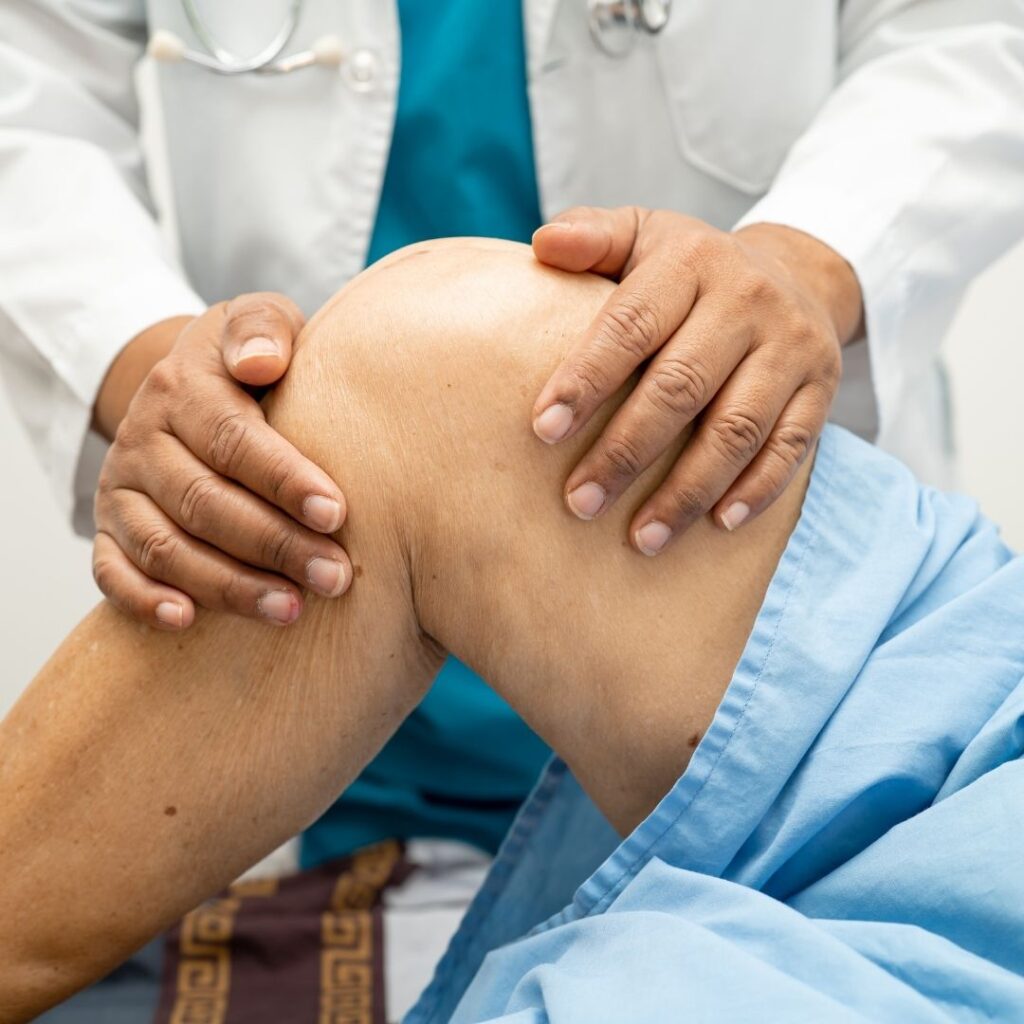
Evaluation begins with a detailed physical exam focused on knee movement, strength, and alignment. Swelling patterns and joint response help guide next steps.
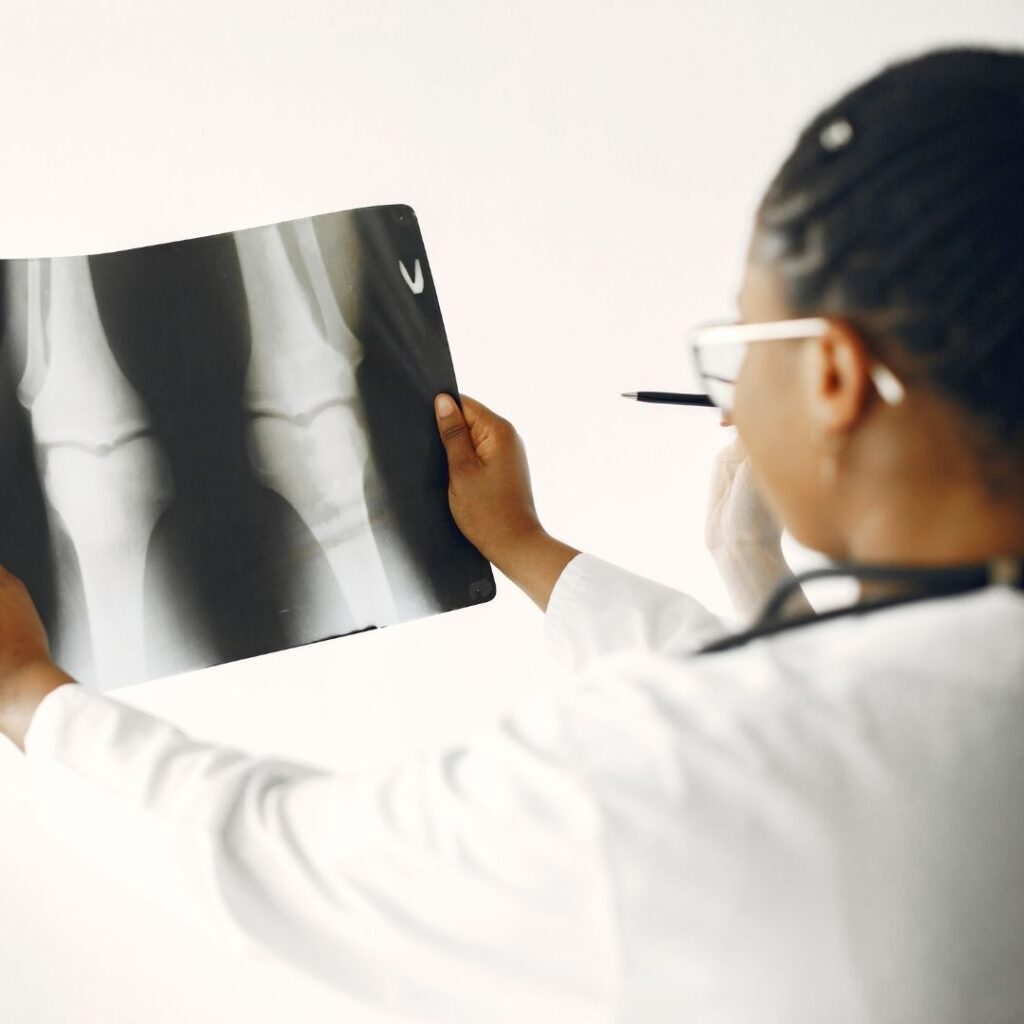
Imaging may include X-rays to assess bone injury and MRI scans to confirm ligament damage. For complex injuries, orthopedic trauma care may involve advanced imaging to evaluate fractures or joint displacement.
The surgeons at Austin Orthopedic Institute have treated thousands of knee injuries and conditions. They specialize in a patient-first approach, utilizing the latest techniques, including robotic-assisted surgery, to ensure precision and personalized outcomes.
Common Knee Pain Treatment Available at All Locations
Austin | Marble Falls | Georgetown | Killeen
Our experienced orthopedic providers at all Austin Orthopedic Institute locations can diagnose and treat many common knee and lower extremity conditions, including:
✓ Diagnostic Evaluation – Initial assessment and treatment planning for all knee and lower limb conditions.
✓ Surgical Planning – Comprehensive preoperative assessment and customized surgical mapping for patients requiring treatment.
✓ Joint Injections – Corticosteroid or viscosupplementation injections for pain and lubrication.
What to Expect at Your Appointment
Before Your Visit
We encourage you to take advantage of our complimentary MRI, X-ray, and CT scan review service. Send us your images, and one of our board-certified orthopedic surgeons will personally review them, offering an expert second opinion and letting you know if you need to come in.
During Your Visit
Conservative Care – We develop a personalized plan, with most patients starting with 6-12 weeks of non-surgical treatment.
Surgical Planning – If surgery is necessary, we use advanced computerized and robotic pre-operative planning for optimal, precise outcomes.
Recovery Support – We ensure close follow-up and coordinate your rehabilitation with our in-house physical therapy team for maximum recovery and a swift return to your active life.
Schedule Your Appointment Today
Don’t let chronic knee pain sideline your life any longer. At Austin Orthopedic Institute, we believe your injury is unique to you—and we treat it that way. Our expert, compassionate, and dedicated team is ready to diagnose your condition and develop a Personalized Treatment Plan that gets you moving again.
Why Choose Austin Orthopedic Institute for Knee Care?
✓ Robotic Knee Replacement Specialists – Access to cutting-edge technology (Mako® & AR) for superior precision
✓ 100% Fellowship-Trained Knee Surgeons – Advanced, subspecialty expertise you can trust
✓ Same-Day & Next-Day Appointments – When you’re in pain, we’re here to help quickly
✓ Over 130 Years of Combined Experience – Decades of proven orthopedic success in Central Texas
✓ Comprehensive Care, All Under One Roof – From initial diagnosis to surgery and in-house physical therapy
✓ Conservative Approach First – We exhaust non-surgical options before recommending surgery
✓ Four Convenient Locations – Austin, Marble Falls, Georgetown, and Killeen
✓ Complimentary Second Opinions – Free review of your existing MRI/X-ray/CT scans
Our Locations
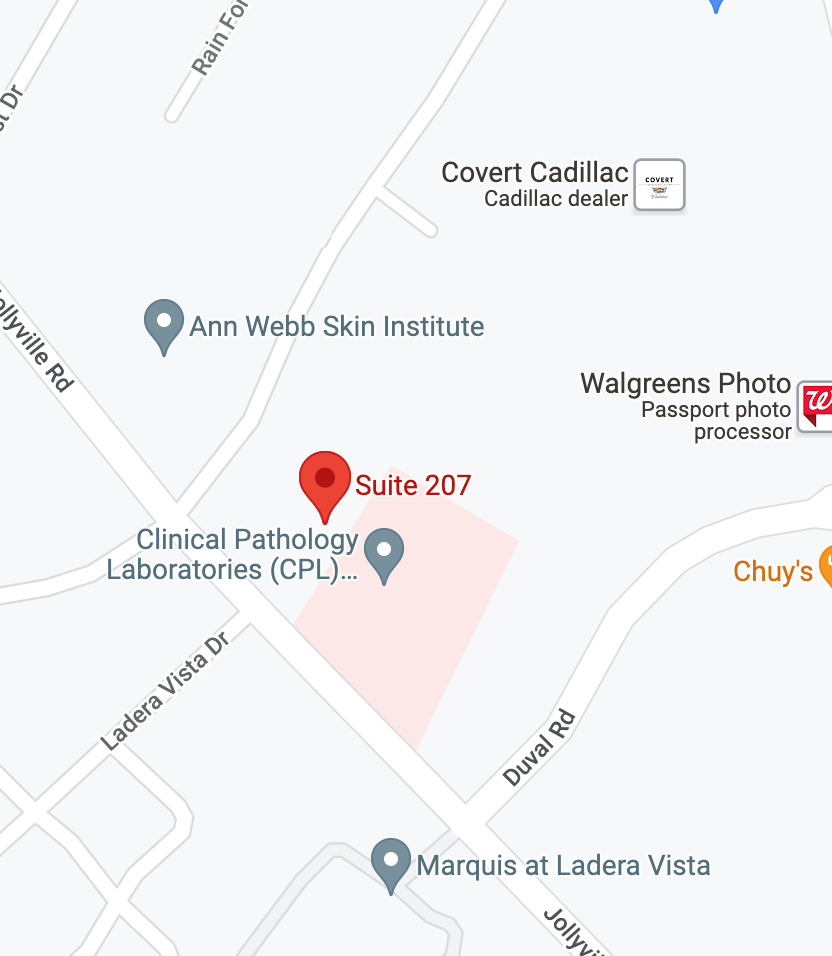
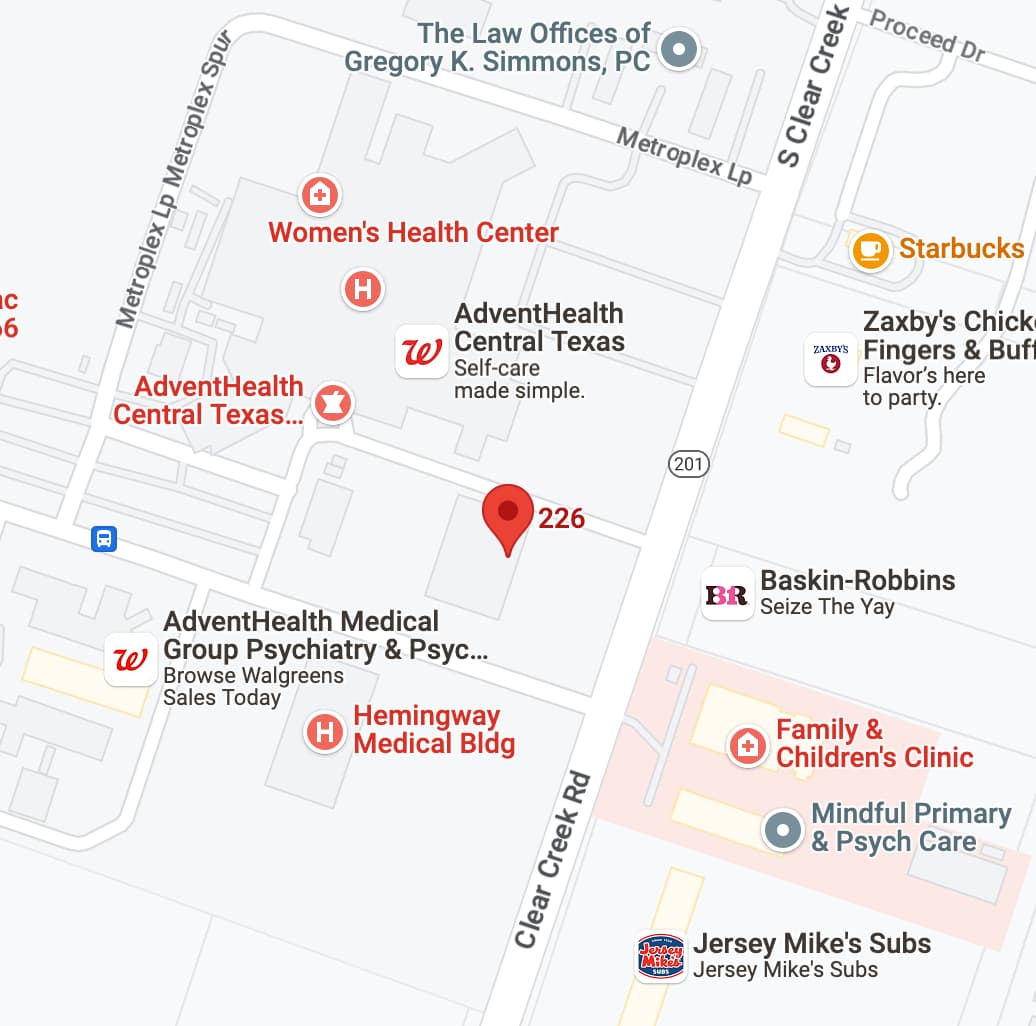
Austin Orthopedic Institute has four locations – Austin, Georgetown, Marble Falls, and Killeen. All of our providers go to the main office in Austin and our Georgetown location. Only Dr. Hurt visits our Marble Falls satellite location and only Dr. Robin visits the Killeen satellite location.