

Knee osteoarthritis is one of the most common causes of chronic knee pain, affecting millions of people and significantly impacting their ability to perform daily activities. This condition involves the gradual wearing away of articular cartilage—the smooth, protective tissue on the ends of your bones—in the knee joint. As this cartilage deteriorates, the bones can begin to rub against each other, leading to pain, stiffness, and reduced mobility. Understanding the fundamentals of osteoarthritis is the first step toward finding effective relief and reclaiming your quality of life.

What Causes Knee Osteoarthritis?
Osteoarthritis is often called “wear and tear” arthritis, and its development can be attributed to several key factors. Age is the most common risk factor, as the cartilage in our joints naturally becomes more brittle and less capable of self-repair over time. However, genetics also play a significant role; if your parents had osteoarthritis, you may be more susceptible.
Previous knee injuries, such as an ACL tear or meniscal tear, can damage the joint surface and accelerate cartilage deterioration. Furthermore, repetitive stress from certain occupations or high-impact sports places extra strain on the knee. Finally, carrying excess body weight is a major contributor, as each extra pound adds several pounds of pressure to the knee joints, speeding up the wear and tear process.

Recognizing the Common Symptoms
The symptoms of knee osteoarthritis typically develop slowly and worsen over time. The most prevalent symptom is a deep, aching pain within the knee that often intensifies with activity like walking, climbing stairs, or kneeling. Many people also experience significant stiffness, particularly in the morning or after sitting for a long period.
Other common indicators include visible swelling around the knee, a limited range of motion that makes it difficult to bend or straighten the leg fully, and a feeling of weakness or instability, as if the knee might “give way.” You may also notice a grinding or clicking sensation, known as crepitus, when moving the joint.
The Importance of an Accurate Diagnosis
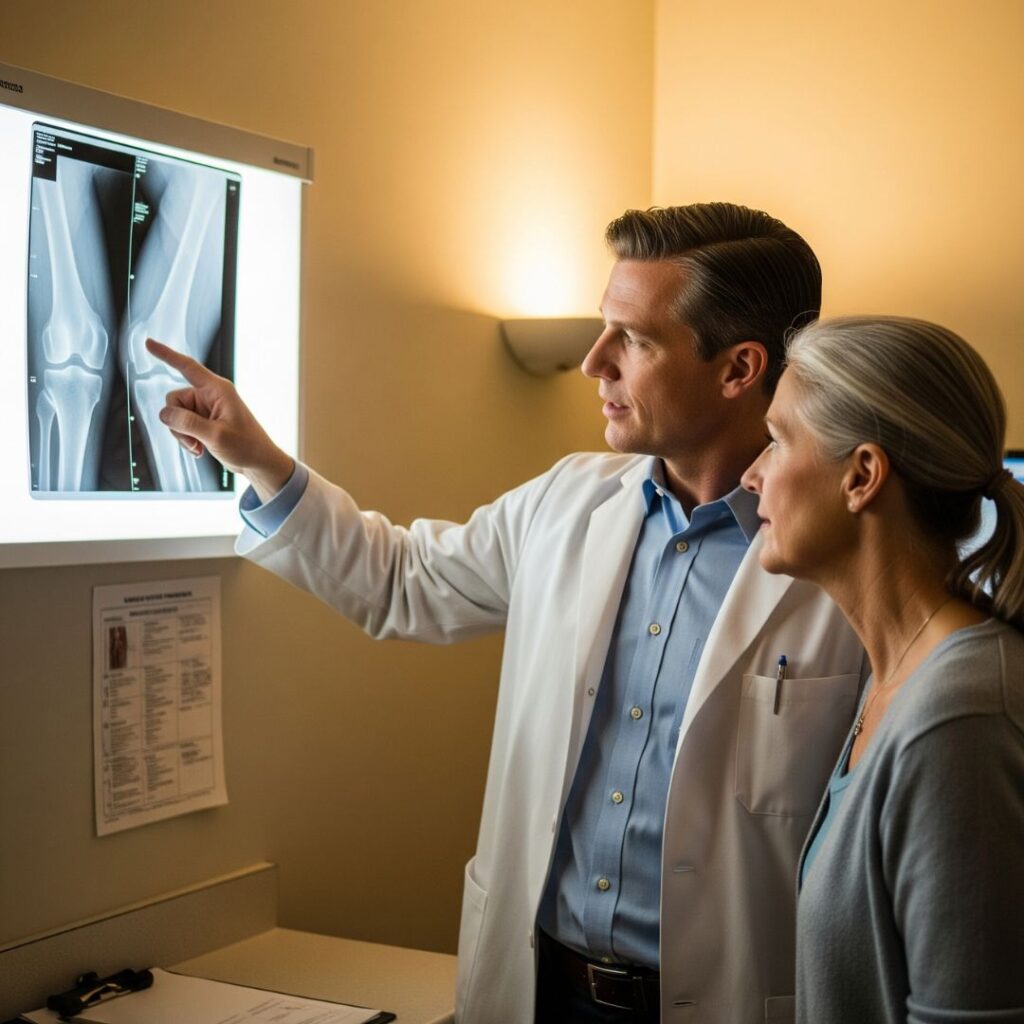
Because several conditions can cause knee pain, obtaining an accurate diagnosis from an orthopedic specialist is essential. During a consultation, we begin with a thorough physical examination and a review of your medical history. We will assess your joint’s alignment, stability, and range of motion. The diagnostic process is often confirmed with imaging tests. X-rays are highly effective at showing joint space narrowing and the presence of bone spurs, which are clear signs of osteoarthritis. In some cases, an MRI may be ordered to get a more detailed look at the cartilage, ligaments, and other soft tissues.
Exploring Non-Surgical Treatment Options
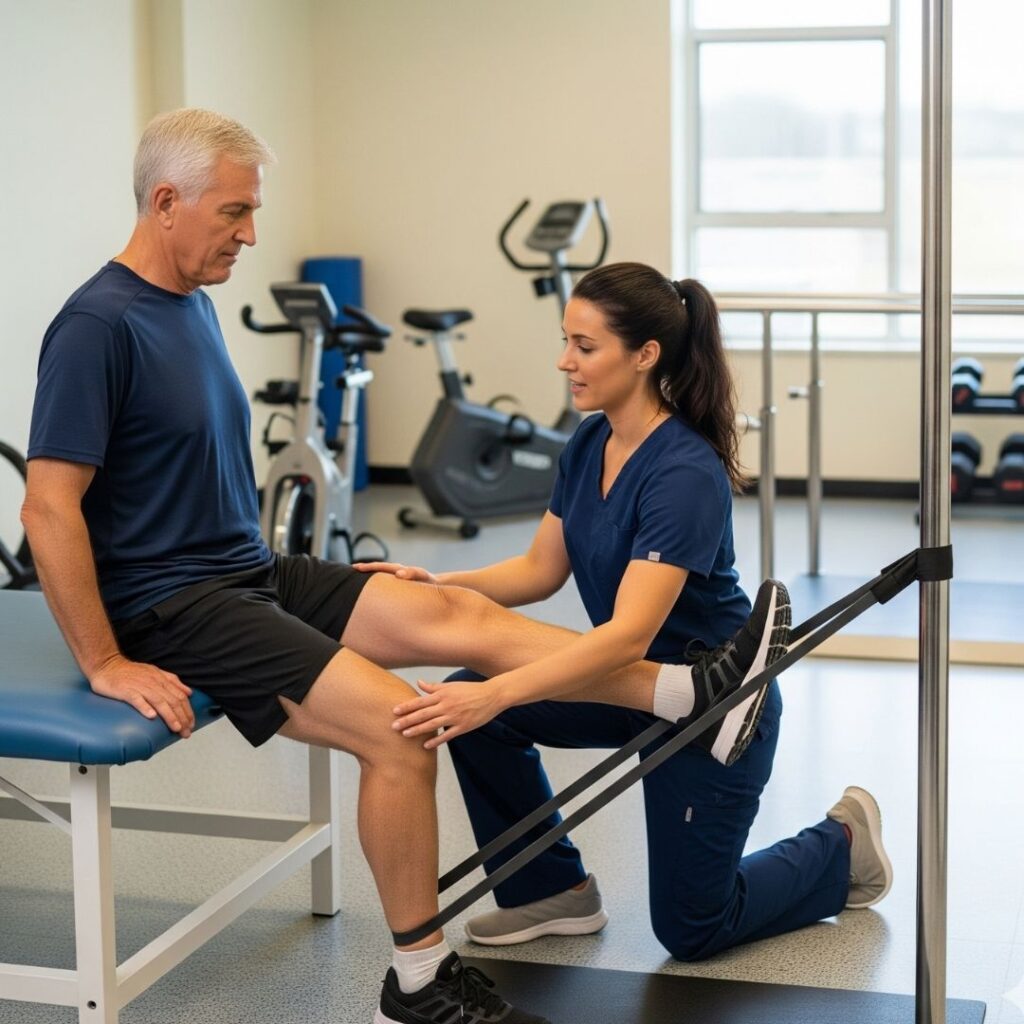
At our institute, we believe in a patient-first approach, always beginning with the most conservative treatments to manage symptoms and improve function. A multi-faceted plan often includes:
- Lifestyle Modifications: This can include activity adjustments to avoid high-impact stress and a guided weight management plan to reduce pressure on the knees.
- Physical Therapy: A customized exercise program can strengthen the muscles surrounding the knee, such as the quadriceps and hamstrings, which helps support and stabilize the joint.
- Medications: Over-the-counter nonsteroidal anti-inflammatory drugs (NSAIDs) can help manage pain and reduce inflammation.
- Injections: Corticosteroid injections can provide powerful, short-term relief from inflammation, while viscosupplementation (hyaluronic acid injections) can help lubricate the joint.
When to Consider Knee Surgery
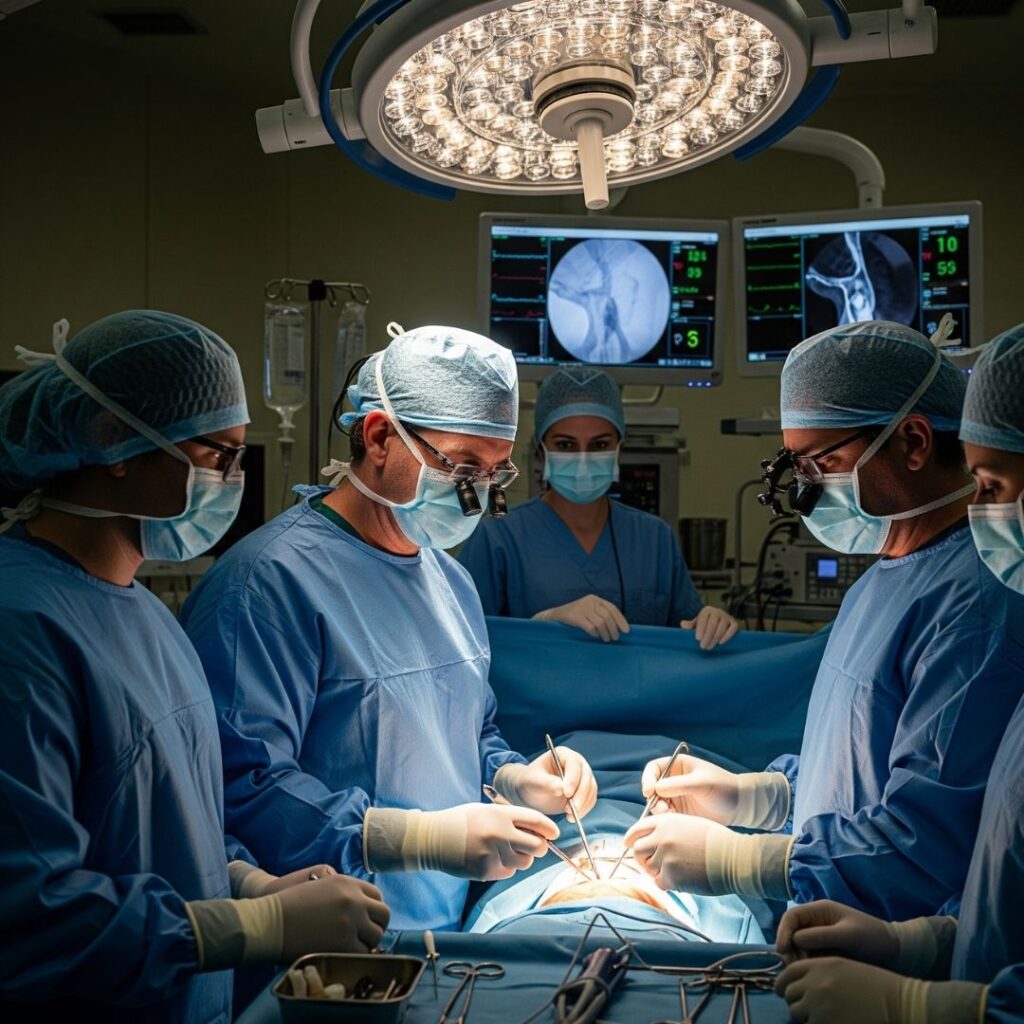
When conservative treatments no longer provide adequate relief and pain begins to severely impact your daily activities, it may be time to consult an orthopedic knee doctor about surgical options. While a total knee replacement is a highly effective procedure, it is not the only option. Depending on your specific condition, we might discuss procedures like arthroscopy to clean out the joint or a partial knee replacement if the damage is confined to one area. Our goal is to determine the optimal solution for your condition and lifestyle.is to determine the optimal solution for your specific condition and lifestyle.
Our approach to care is comprehensive, focusing on tailored treatment plans that address your unique needs. We believe in empowering you with knowledge about your condition, from diagnosis through recovery. The team of dedicated specialists at Austin Orthopedic Institute, including Dr. Joel Hurt, MD, Dr. Tyler Goldberg, MD, Dr. Earl Kilbride MD, MHA, and Dr. Brett Robin, MD, is here to guide you. Contact us to learn more or to schedule a consultation.