
Shoulder Pain & Treatment in Austin, TX
Expert Shoulder Care & Advanced Joint Reconstruction Across Central Texas
When Shoulder Pain Disrupts Your Life
Your shoulder is the most mobile joint in your body, enabling essential functions from lifting and reaching to performing complex athletic movements. With a 70% chance of experiencing some kind of shoulder injury in your lifetime, pain, weakness, or instability can significantly impact your work, hobbies, and independence. At Austin Orthopedic Institute, our providers understand that every injury is unique to your body. We provide comprehensive, personalized shoulder care using the latest advancements to get you back to doing the things you love.
Signs You Should Seek Treatment
Schedule an evaluation with one of our fellowship-trained orthopedic shoulder specialists if you experience:
- Persistent, deep pain within the shoulder joint
- Difficulty or inability to lift your arm above your head
- A catching, grinding, or popping sensation with movement
- Weakness when trying to rotate or lift objects
- Recurrent feeling that your shoulder is slipping out of the socket (instability)
- Pain that doesn’t improve with rest, often worse at night
- Stiffness or limited range of motion (a sign of potential “frozen shoulder”)
- Swelling or noticeable deformity after an injury
Conditions We Treat
Rotator Cuff & Tendon Conditions
- Rotator Cuff Tears – Partial or full tears of the four tendons responsible for shoulder movement and stability.
- Rotator Cuff Tendinosis/Tendinitis – Chronic inflammation or irritation of the tendons.
- Biceps Tendon Injuries – Tears, instability, or tenosynovitis of the long head of the biceps.
Arthritis & Degenerative Conditions
- Shoulder Arthritis (Osteoarthritis) – Wear-and-tear leading to pain and limited mobility in the joint.
- Glenohumeral Arthritis – Severe degeneration requiring total or reverse shoulder replacement.
- Acromioclavicular (AC) Joint Arthritis – Pain at the top of the shoulder where the collarbone meets the shoulder blade.
Instability & Dislocation
- Shoulder Instability – A feeling of looseness or recurrent slipping of the ball out of the socket.
- Shoulder Dislocation – Traumatic injury where the joint separates, often tearing the labrum.
- Labral Tears (Bankart/SLAP) – Injury to the ring of cartilage surrounding the socket, often causing pain and instability.
Impingement & Bursitis
- Shoulder Impingement Syndrome – Pain caused by tendons being pinched beneath the acromion (outer edge of the shoulder blade) with movement.
- Shoulder Bursitis – Inflammation of the fluid-filled sac (bursa) that cushions the joint.
Fractures & Trauma
- Proximal Humerus Fractures – Fractures of the upper arm bone near the shoulder joint.
- Clavicle Fractures – Broken collarbone, often requiring stabilization.
- Scapular (Shoulder Blade) Fractures – Complex injuries from high-energy trauma.
Failed Prior Surgeries & Revision Needs
- Failed Rotator Cuff Repair – Requiring advanced revision techniques.
- Complex Revision Shoulder Replacement – Addressing failed or infected prior joint replacements.
- Post-Traumatic Reconstruction – Addressing chronic issues following complex shoulder trauma.
Our Approach to Care
Accurate Diagnosis
Our process begins with a dedicated evaluation, combining a detailed physical examination with advanced imaging (X-rays, MRI, CT scans). We use 3D bone imaging (CT scan) to plan shoulder replacements, offering invaluable precision.
Conservative Treatment First
No one wants shoulder surgery if it’s possible to avoid it. Whenever possible, we offer a non-operative care plan that may include:
- Physical Therapy to restore range of motion and strength.
- Various Injections (steroid, PRP) to reduce pain and inflammation.
- Activity modification and anti-inflammatory medications. Even for a rotator cuff tear, surgery may not always be the best option.
Surgical Solutions When Needed
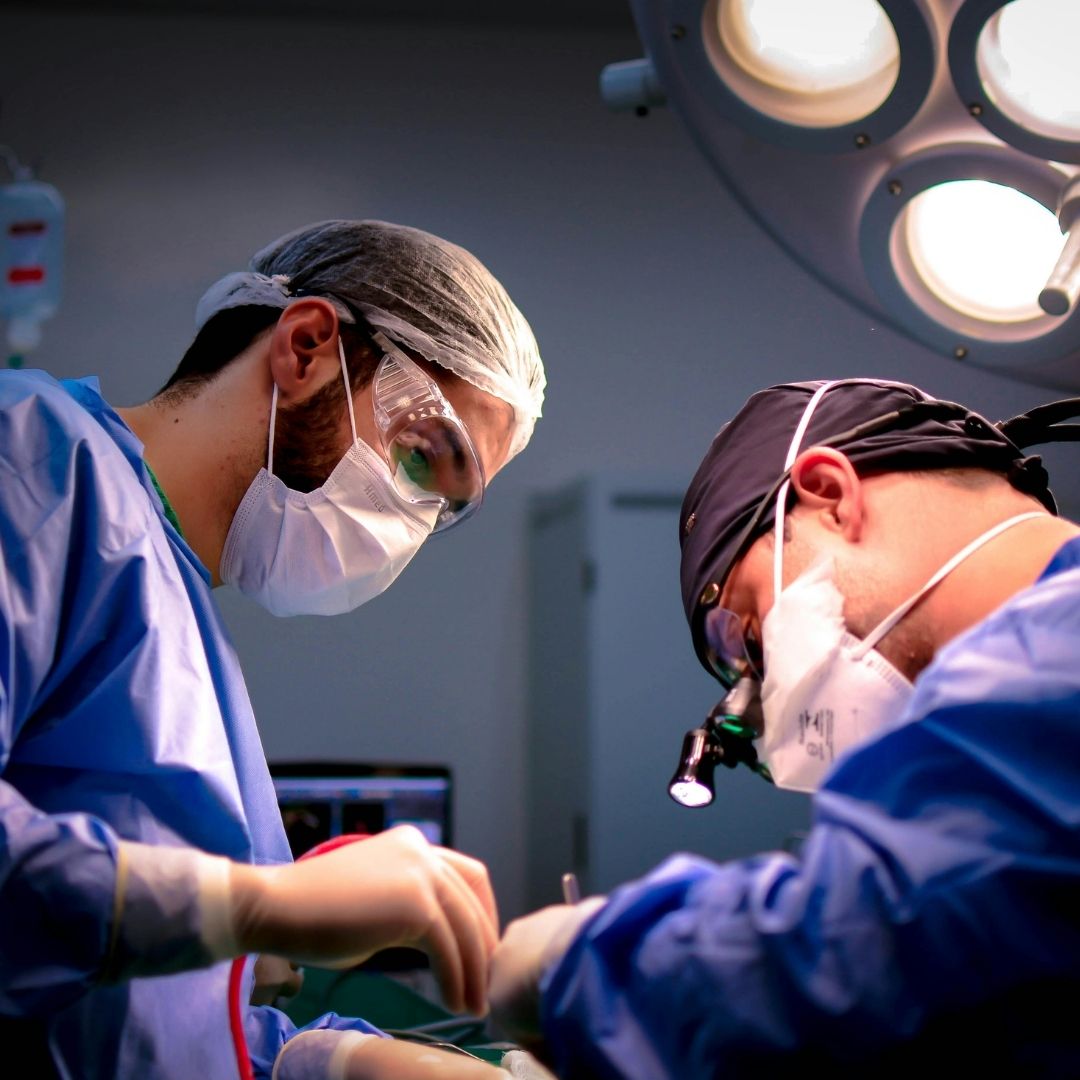
When conservative treatment fails, our surgeons utilize the latest technology for precise and accelerated recovery:
- Shoulder Arthroscopy – Minimally invasive procedure for rotator cuff repair, labral repair, and instability surgery.
- Computer-Guided Shoulder Replacement – Utilized to provide exceptional precision in implant positioning.
- Reverse Total Shoulder Replacement – A highly successful procedure for patients with severe arthritis and irreparable rotator cuff tears.
- Total & Partial Shoulder Replacement – Reconstructing the joint surfaces for severe arthritis relief.
Comprehensive Rehabilitation
Our in-house Physical Therapy team works closely with your surgeon, ensuring a coordinated treatment plan that begins immediately, leading to maximum recovery and a safe return to activity.

Meet Our Shoulder Pain Specialists
Our team includes fellowship-trained surgeons who utilize cutting-edge technology like Computer-Guided Planning and Augmented Reality to address a spectrum of shoulder issues, from simple impingement to the most complex revisions and joint replacements.
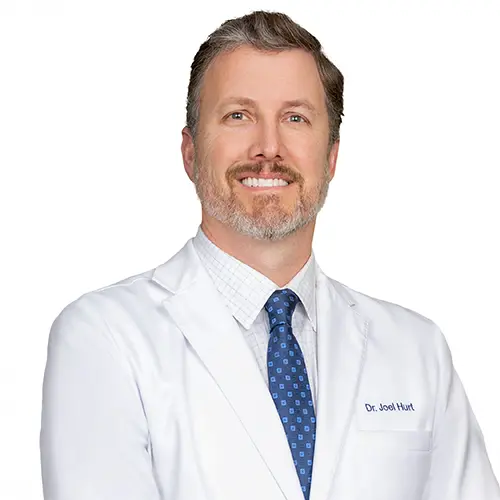
Joel Hurt, MD
Meet Dr. Hurt
Schedule with Dr. Hurt
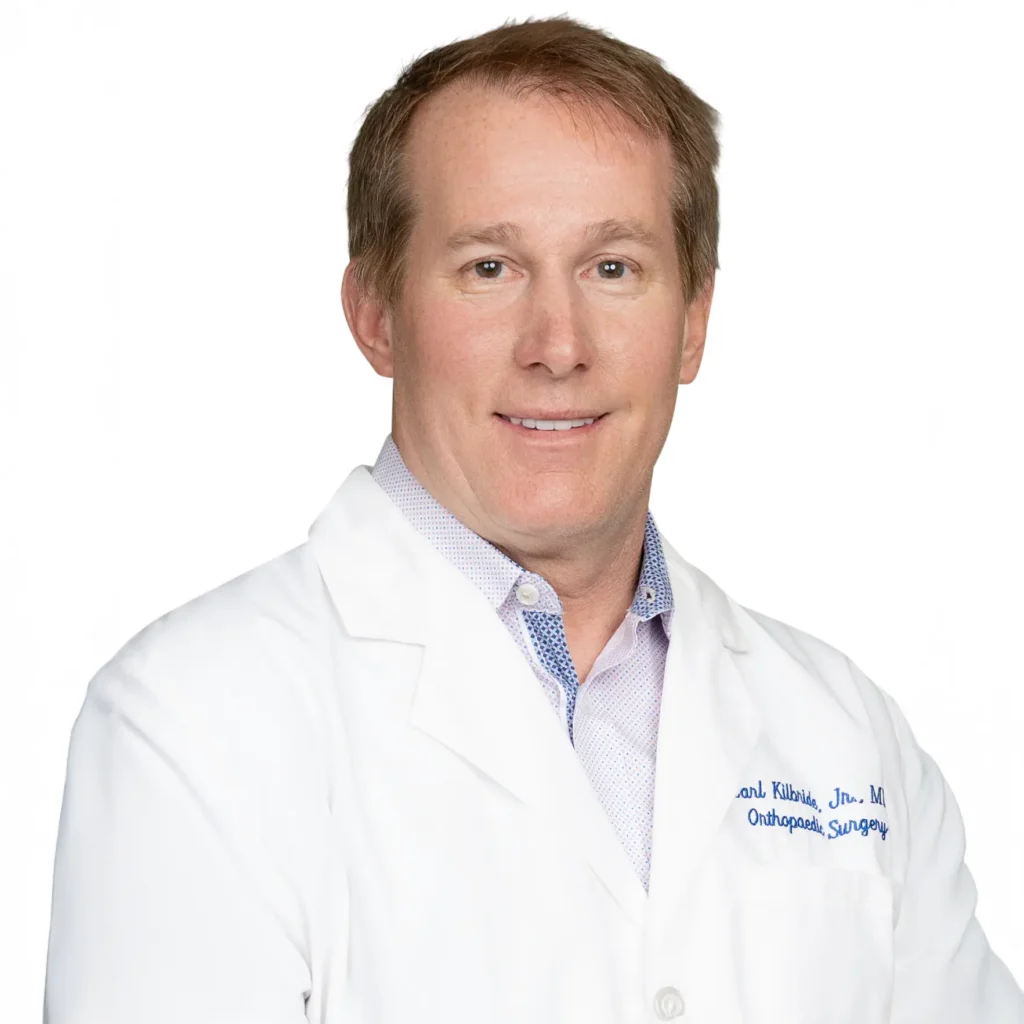
Earl Kilbride MD, MHA
Meet Dr. Kilbride
Schedule with Dr. Kilbride
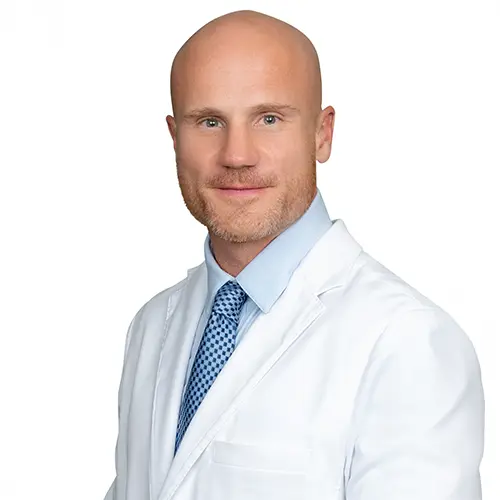
Brett Robin, MD
Meet Dr. Robin
Schedule with Dr. Robin
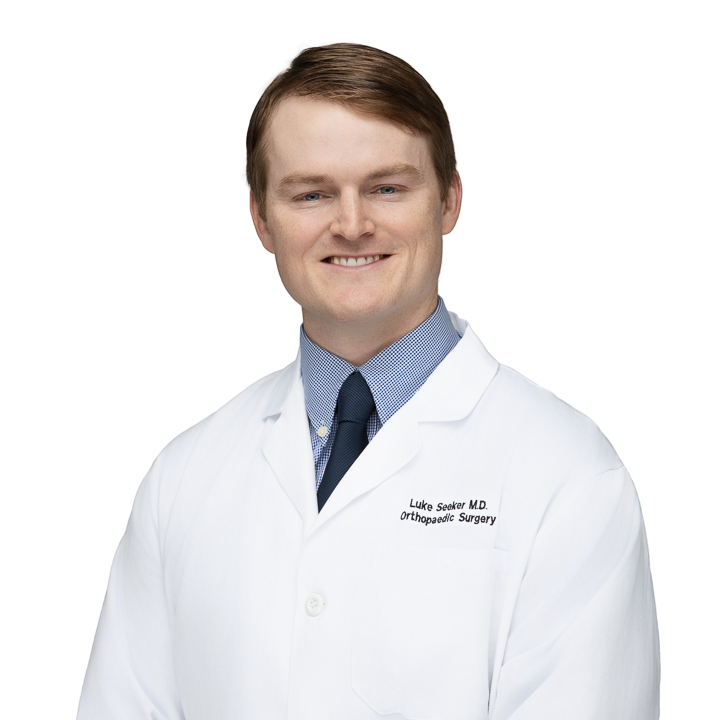
Luke Seeker, MD
Meet Dr. Seeker
Schedule with Dr. Seeker

Benjamin Szerlip, DO
Meet Dr. Szerlip
Schedule with Dr. Szerlip
Common Shoulder Pain Treatment Available at All Locations
Austin | Marble Falls | Georgetown | Killeen
Our experienced orthopedic providers at all Austin Orthopedic Institute locations can diagnose and treat many common shoulder and upper extremity conditions, including:
✓ Diagnostic Evaluation – Initial assessment and treatment planning for all shoulder conditions.
✓ Surgical Planning – Comprehensive preoperative coordination and surgical strategy for procedures such as rotator cuff repair, labral repair, and shoulder replacement.
✓ Joint Injections – Steroid and pain-relief injections for shoulder impingement and bursitis.
What to Expect at Your Appointment
Before Your Visit
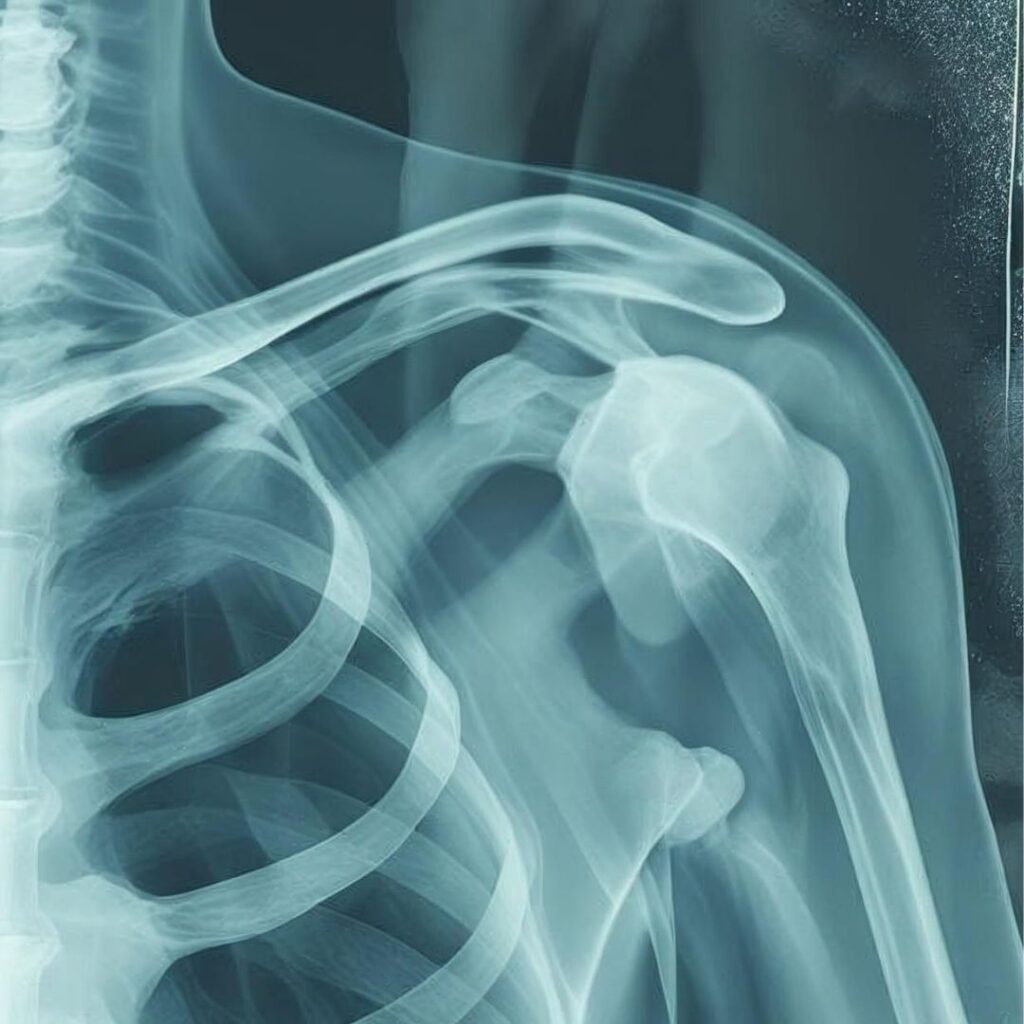
We encourage you to take advantage of our complimentary MRI, X-ray, and CT scan review service. Send us your images, and one of our board-certified orthopedic surgeons will personally review them, offering an expert second opinion and letting you know if you need to come in.
During Your Visit
Conservative Care – We develop a personalized plan, with most patients starting with 6-12 weeks of non-surgical treatment.
Surgical Planning – If surgery is necessary, we utilize advanced computerized, 3D, and Augmented Reality (AR) pre-operative planning for optimal, precise outcomes.
Recovery Support – We ensure close follow-up and coordinate your rehabilitation with our in-house physical therapy team for maximum recovery and a swift return to your active life.

Frequently Asked Questions
What is the difference between a Total Shoulder and a Reverse Total Shoulder Replacement?
A Total Shoulder Replacement is used when the rotator cuff is intact, replacing the ball and socket with prosthetic parts to treat arthritis. A Reverse Total Shoulder Replacement switches the position of the ball and socket. It is the preferred surgery for patients with both arthritis and a severely torn, irreparable rotator cuff.
Is a Rotator Cuff Tear always treated with surgery?
No. Conservative care is often the first approach. Non-surgical options, including physical therapy, injections, and activity modification, can be highly effective, especially for partial tears or tears in older, less active patients. Our providers will give you clarity on all your options.
What does “Shoulder Instability” mean?
Shoulder instability means the head of the arm bone (humerus) is loose in the socket (glenoid). This can be caused by a traumatic dislocation or by general looseness (laxity). It often requires surgery to tighten the ligaments and repair tears (like Bankart or SLAP repairs).
How long is recovery after a complex Shoulder Arthroscopy?
Recovery time varies widely by the procedure performed (e.g., labral repair vs. simple cleanout). Generally, patients are in a sling for several weeks, with a full return to normal activity or sports typically taking 4 to 6 months as strength is gradually rebuilt through physical therapy.
How do I know if my shoulder pain is arthritis or a rotator cuff tear?
While both cause pain, arthritis usually presents as deep, constant pain and severe stiffness (loss of motion). A rotator cuff tear often presents as pain and weakness, especially when lifting or rotating the arm. A detailed exam and imaging are necessary for an accurate diagnosis.
Do your doctors use minimally invasive techniques for shoulder surgery?
Yes. Our surgeons are highly skilled in shoulder arthroscopy, a minimally invasive technique using small incisions to repair rotator cuff tears, labral tears, and instability issues. This often results in less pain and an accelerated recovery compared to traditional open surgery.
Is a referral required to see a shoulder specialist?
Most patients do not need a referral, but it’s always best to check with your specific insurance provider. We aim to offer same-day and next-day appointments when possible for urgent needs.
Can I get a second opinion on a recommended shoulder surgery?
Absolutely. We offer complimentary reviews of MRIs, X-rays, and CT scans. One of our board-certified surgeons will personally review your images and provide recommendations free of charge.
Schedule Your Appointment Today
Don’t let shoulder pain limit your life any longer. At Austin Orthopedic Institute, we believe your injury is unique to you—and we treat it that way. Our expert, compassionate, and dedicated team is ready to diagnose your condition and develop a Personalized Treatment Plan that gets you moving again.
Call (512) 856-1000
Request an Appointment
Why Choose Austin Orthopedic Institute for Shoulder Care?
✓ Advanced Surgical Technology – Access to Computer-Guided and Augmented Reality (AR) techniques for joint replacement
✓ 100% Fellowship-Trained Shoulder Surgeons – Advanced, subspecialty expertise you can trust
✓ Same-Day & Next-Day Appointments – When you’re in pain, we’re here to help quickly
✓ Over 130 Years of Combined Experience – Decades of proven orthopedic success in Central Texas
✓ Comprehensive Care, All Under One Roof – From initial diagnosis to surgery and in-house physical therapy
✓ Conservative Approach First – We exhaust non-surgical options before recommending surgery
✓ Four Convenient Locations – Austin, Marble Falls, Georgetown, and Killeen
✓ Complimentary Second Opinions – Free review of your existing MRI/X-ray/CT scans
Our Locations
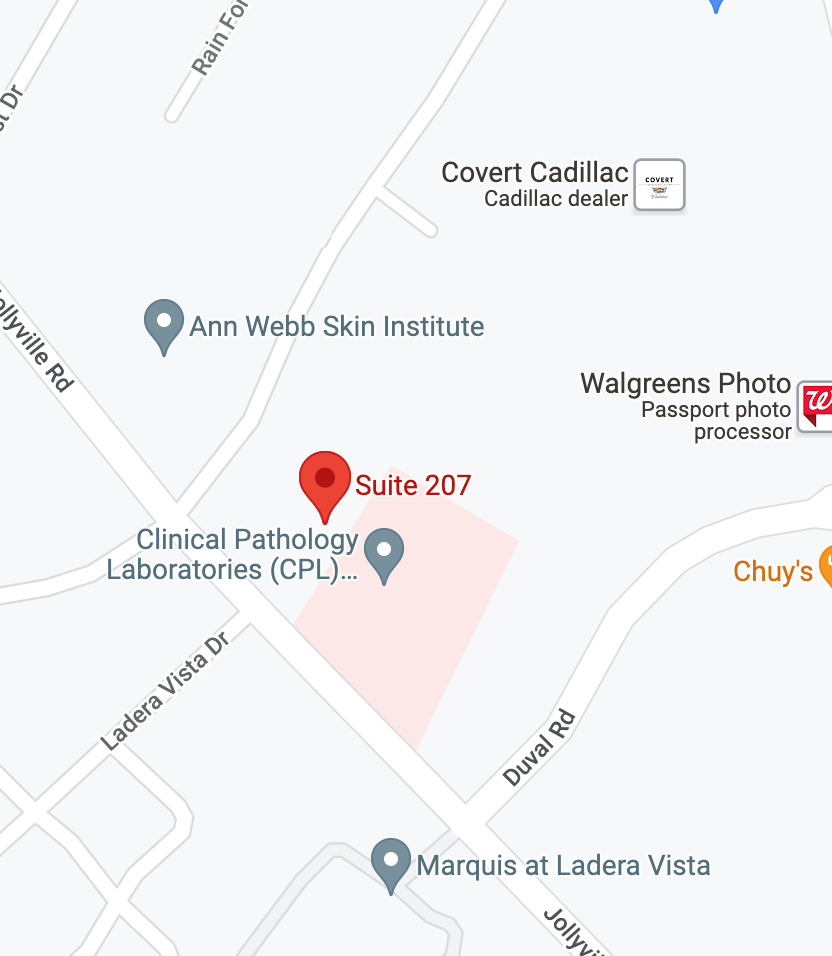
Austin Orthopedic Institute has four locations – Austin, Georgetown, Marble Falls, and Killeen. All of our providers go to the main office in Austin and our Georgetown location. Only Dr. Hurt visits our Marble Falls satellite location and only Dr. Robin visits the Killeen satellite location.
Austin
Marble Falls
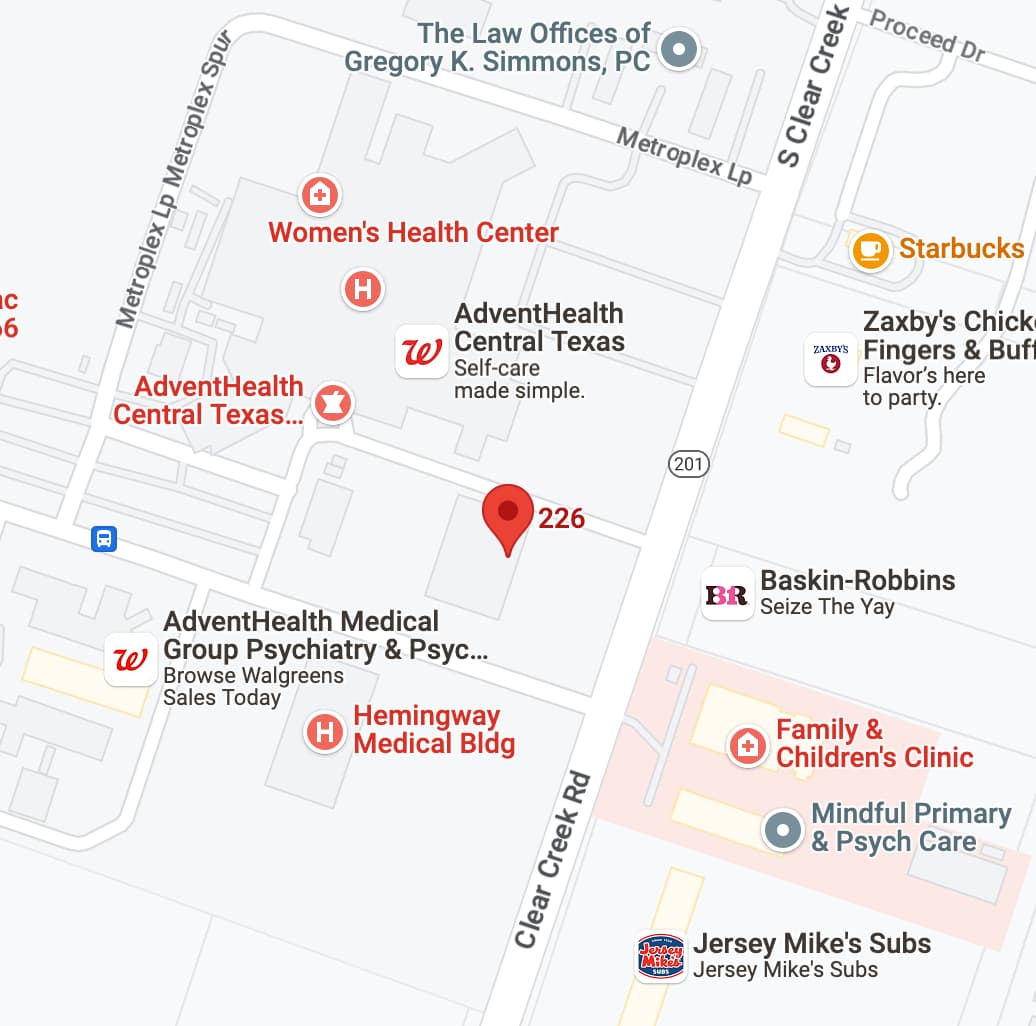
Killeen
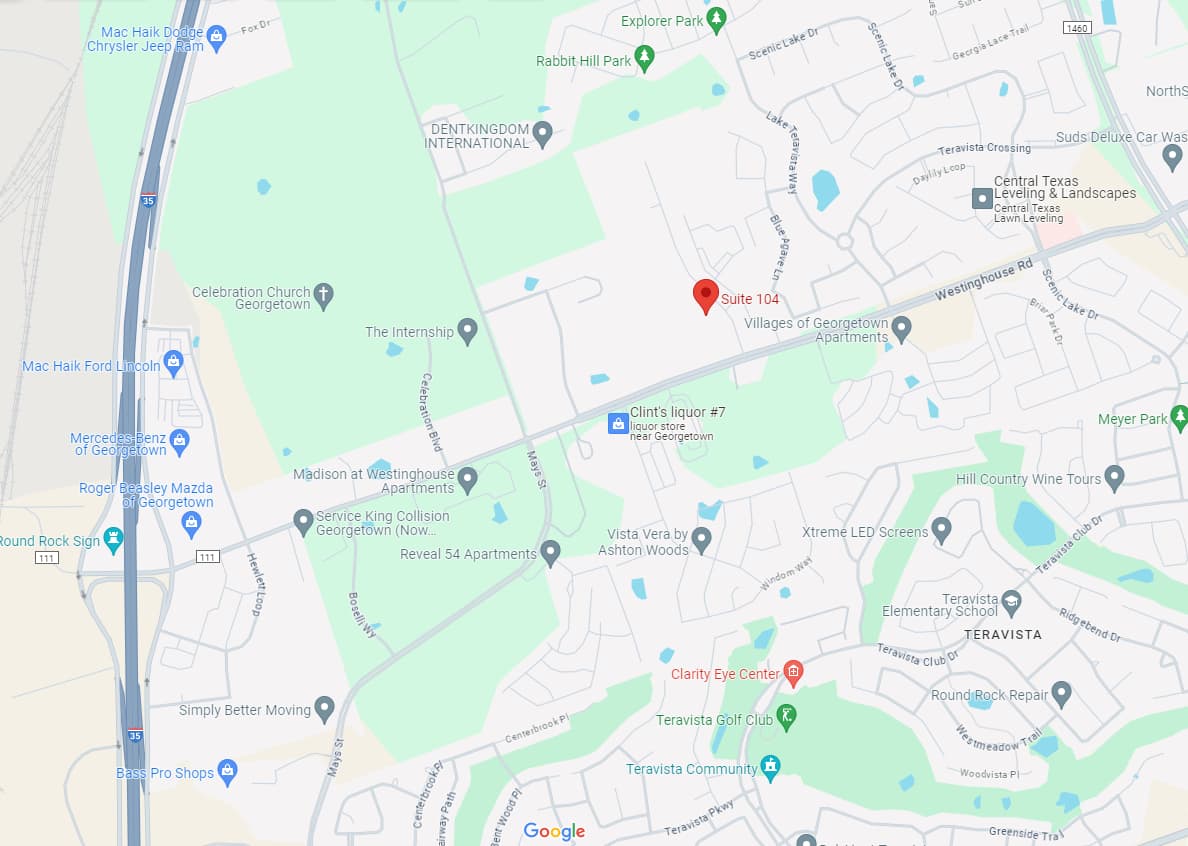
Georgetown
Related Services
Hand, Wrist & Elbow Care
Sports Medicine
Orthopedic Trauma
Physical Therapy
Austin Orthopedic Institute surgeons has been proudly serving Central Texas since 2004, providing exceptional orthopedic care with a personal touch. Your injury is unique to you—we treat it that way.